As an Amazon Associate, we earn from qualifying purchases. Some links may be affiliate links at no extra cost to you. Although our opinions are based on curated research, we haven't used these products. Articles generated with AI.

Bringing Children on a Yacht: Tips for a Safe Voyage

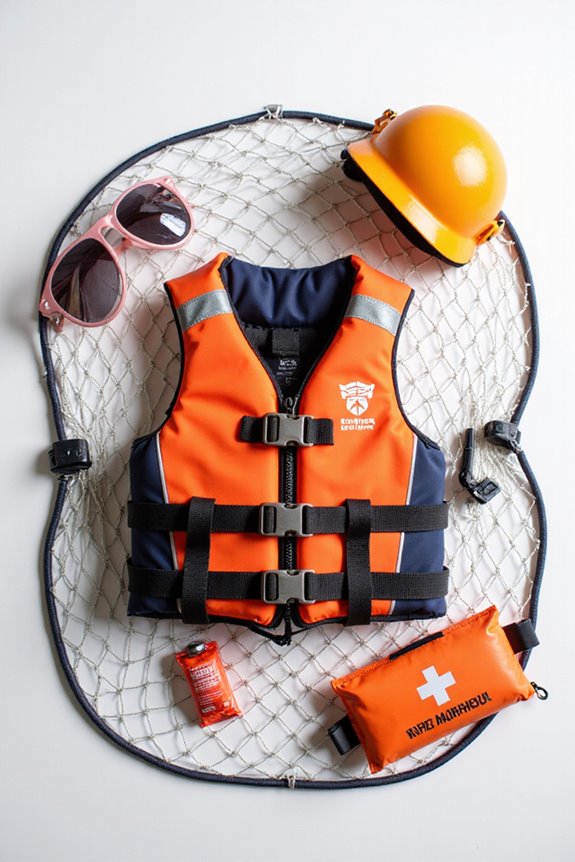
Bringing kids on a yacht? First, let’s get those life jackets right—they must fit snugly, sized by weight, with secure straps to keep adventures safe, not slippery. Pick calm weather, ideally gentle mornings or evenings, and keep emergency gear like throwable flotation and radios close. Set clear safety rules and teach kids water safety with fun drills. Supervise constantly, create cozy spaces, and remember, age and weight guidelines matter. Interested in turning this voyage into a smooth, safe family splash? There’s more to explore!
Key Takeaways
- Ensure children wear properly fitted, Coast Guard-approved life jackets at all times during the voyage.
- Choose calm weather and short trip durations to maintain a safe, comfortable environment for children.
- Teach emergency procedures and conduct regular safety drills with children before and during the trip.
- Supervise children constantly and establish clear safety rules and secure areas on the yacht.
- Plan engaging, family-friendly activities that promote safety awareness and enjoyable bonding experiences.
Preparing Proper Life Jackets for Children
You may be interested


When it comes to preparing proper life jackets for our little sailors, there are a few key things we can’t overlook. First, we need to understand the different life jacket types designed for infants, toddlers, and larger kids—each made with features like crotch straps and float collars to keep them secure and comfortable. Fitting techniques are essential, too; a snug fit means the jacket won’t slip over their head if we lift them by the shoulders. Have you tried that test yet? It’s a simple way to double-check safety. Remember, jerseys sized by weight—not chest size—offer the best fit, and oversizing can be a no-go since it risks slipping off in the water. Keeping our young sailors safe means we must know these tips well.

US Coast Guard-Approved: For optimum water safety

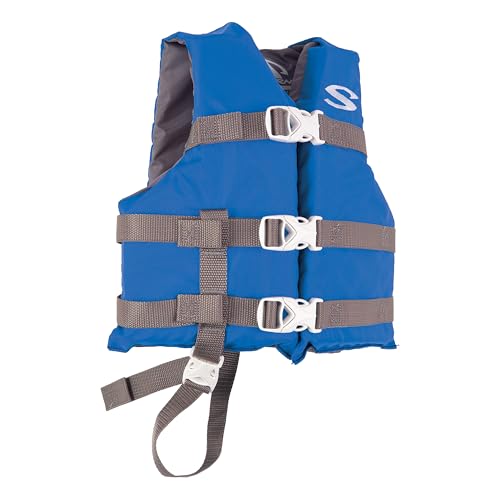
US Coast Guard Approved: A child life vest ensuring total water safety
Choosing the Right Time and Weather Conditions
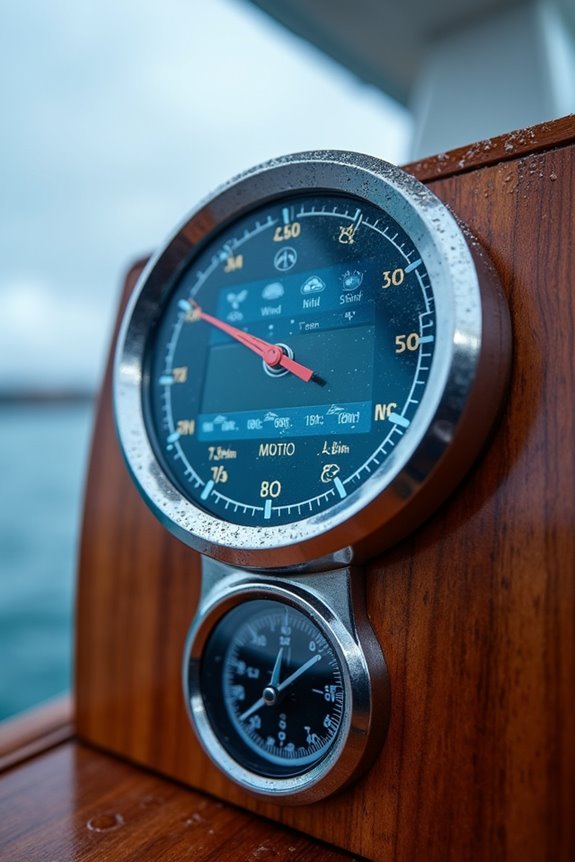
Now that we’ve sorted out the life jackets, let’s chat about another big piece of the puzzle: picking the right time and weather for our little sailors’ adventures. When planning our sailing schedules, aiming for early summers or late springs often pays off—mild weather and calm seas make all the difference, right? Weather monitoring is key; we should keep a close eye on wind speeds and visibility to steer clear of gusts over 25 knots or fog that could scare the kids (or us!). Short trips work best to ease them in, and staying flexible means we won’t feel stuck if a sudden storm rolls in. How about choosing mornings or late afternoons? Those calmer periods usually offer smoother sailing—and happier smiles all around!

Includes data logger, software on CD, download cable to connect to the data logger on your computer, Getting Started Guide and Online Help
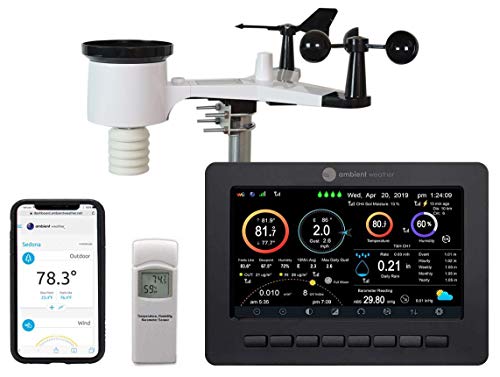
Allows you to monitor your home and backyard weather conditions with TFT color display

Pressure range of 0-100 psi; 12VDC, an impact/weather resistant polyester case, polycarbonate lens, stainless steel bezel.
Essential Safety Equipment for Yacht Voyages
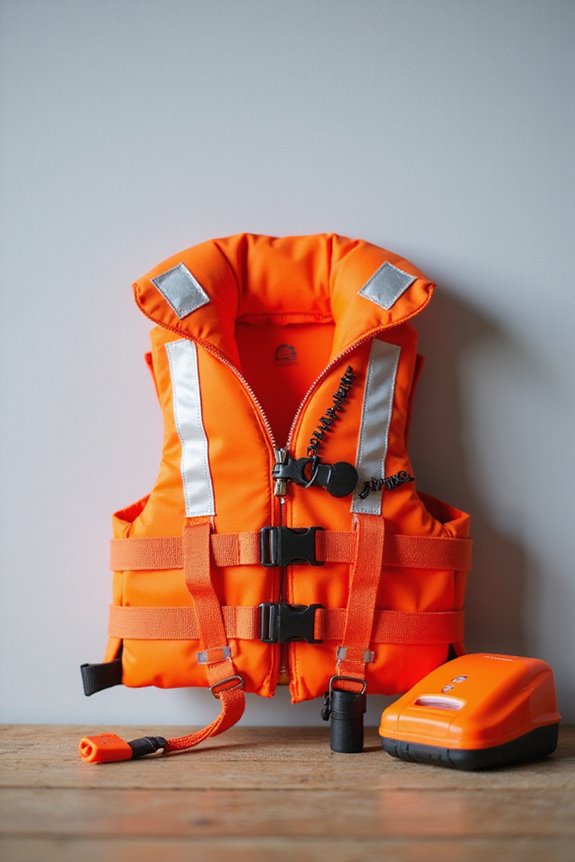
A handful of essential safety items can make all the difference when we’re out on the water with kids aboard our yacht. First up, the right safety gear—everyone needs a properly fitted, Coast Guard-approved life jacket, and kids under thirteen should wear theirs constantly. We always keep throwable flotation devices handy, like ring buoys near the helm, just in case. What about emergency equipment? Well, we make sure our marine-rated fire extinguishers are accessible and in good shape. Visual distress signals, like flares or smoke, are a must for alerting help when needed. Communication tools like VHF radios and whistles complete our safety kit. Isn’t it comforting knowing we’re prepared with these essentials before setting sail? It’s about peace of mind for us all. Additionally, incorporating windlass foot switches can greatly simplify anchoring tasks, enhancing safety for everyone on board.
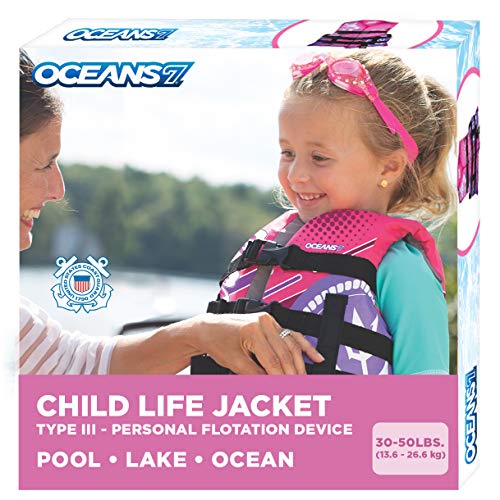
US Coast Guard-approved: Personal flotation device (PFD) passes highest USCG standards and testing; life jackets are labeled for infant, child or youth by weight range

USCG APPROVED – this personal flotation device meets USCG requirements for a Type III Life Vest. Closed sides, buckle and Zipper closures built for secure fit for water sports enthusiasts where large range of motion is key. The light, segmented, hinged design allows freedom of movement in all directions

Understanding Age and Weight Guidelines
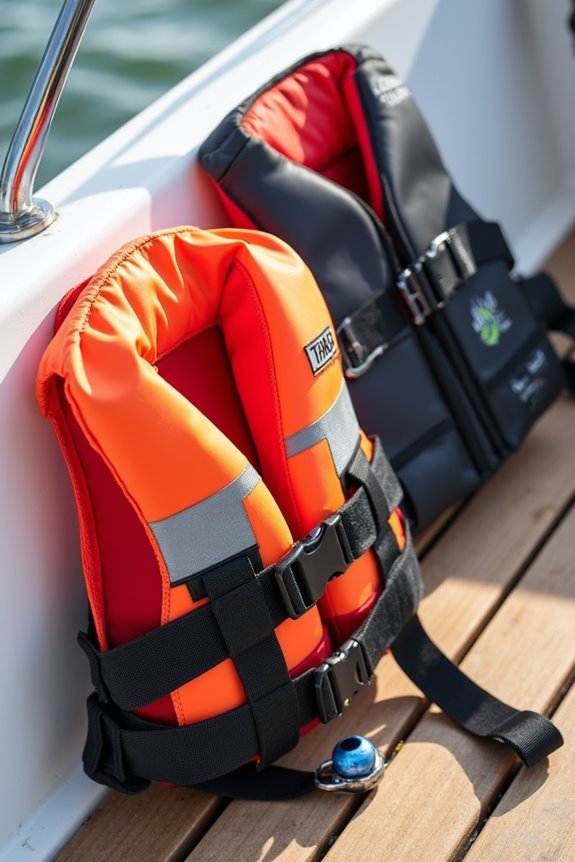
Since keeping everyone safe on board is our top priority, understanding the age and weight guidelines is essential before starting on a yacht adventure with children. Many charters set safety requirements like minimum ages—usually 7 or older—and may restrict participation for kids under 14 on more demanding trips. Weight also matters: infants under 18 pounds aren’t recommended aboard, even with life jackets, due to risk, and kids under 40 pounds must wear properly fitted, US Coast Guard-approved life jackets at all times. Ever wonder why car seats are a no-go? They can sink fast if the boat tips. Let’s respect these age restrictions and weight rules—they’re not just red tape but crucial for our shared fun and safety on the water.
Enforcing Safety Rules and Regulations on Board
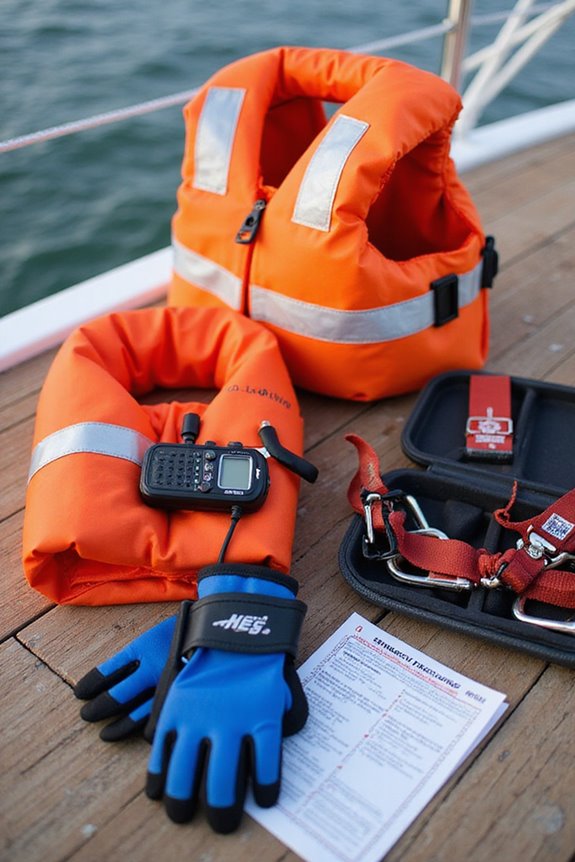
When we’re out on the water with kids, enforcing safety rules isn’t just about ticking boxes—it’s a lifesaver that keeps everyone smiling and secure. Our safety enforcement starts with ensuring every child wears a properly fitted, U.S. Coast Guard-approved life jacket—no exceptions. We create safe zones where kids can relax and enjoy, far from risky edges or companionways. Rule compliance means keeping safety gear in top shape and holding quick safety drills that even the little ones can follow. We also make it a point to educate everyone aboard about why these rules matter—because understanding ups the chances they’ll stick. After all, it’s all about creating a fun, safe environment, not turning your yacht into a floating boot camp, right? Additionally, using US Coast Guard-approved options helps guarantee that the life vests are compliant with safety standards to provide peace of mind while on the water.

USCG APPROVED – this personal flotation device meets USCG requirements for a Type II (Infant) and III (Child) Life Jackets. Closed sides, buckle and zipper closures, additional crotch belt and rapid rescue handle for safety and peace of mind

SAFE and SECURE – US Coast Guard Approved closed sided Life Jacket for a comfortable yet secure fit

US Coast Guard-approved: Personal flotation device (PFD) passes highest USCG standards and testing; life jackets are labeled for infant, child or youth by weight range
Health Considerations for Young Passengers
Though setting sail with young kids can be a wonderful adventure, it also means we have to double down on health precautions to keep everyone feeling shipshape. Infant health is a top priority—babies should only join once they can safely wear an approved personal flotation device. Holding them close is safer than letting them nap in car seats, which can be risky on boats. Kids can get chilly fast, so packing dry blankets is a must. Let’s not forget pediatric hydration—young ones need regular drinks to avoid dehydration, especially under the sun. A quick check-in with our pediatrician before boarding helps us prepare for any medical needs or allergies. By staying mindful of these health basics, we keep our little sailors happy, safe, and ready to enjoy the voyage.
Teaching Children Water Safety and Emergency Procedures
Keeping our little ones healthy on board is just the start of ensuring a smooth sailing adventure. Teaching children water safety and emergency procedures builds confidence and keeps everyone secure. First up, life jackets aren’t just fashion statements—they’re essentials. We make sure each child wears a U.S. Coast Guard-approved jacket that fits snugly; no slipping or floating away allowed. We also run through emergency procedures—like alerting an adult instead of rushing in, throwing a floating object to someone struggling, and knowing CPR basics. Ever wonder why calm matters? Teaching kids to stay cool and follow instructions helps prevent panic. Plus, we show them how to use whistles or radios to call for help. Together, these steps create a team ready to tackle the unexpected with safety and smiles.
Ensuring Vessel Safety Before Departure
Before we cast off, giving our yacht a thorough once-over isn’t just a good idea—it’s a must. Vessel inspections and mechanical checks are our first line of defense against problems at sea. We make sure the engine oil is topped up and belts are tight—nothing ruins a day faster than unexpected engine trouble. Checking the hull for cracks and ensuring bilges are dry keeps our floating home safe from leaks or flooding. Don’t forget the steering and throttle controls; smooth responsiveness means we steer clear of trouble. Securing loose gear and confirming the anchor’s set saves us from chasing towels overboard. It’s all about teamwork and preparedness—because when we’re confident in our vessel’s condition, our adventure with the kids stays smooth, safe, and worry-free. Additionally, choosing the right anchor type for your boat size ensures reliable holding power and enhances overall safety. Ready to set sail?
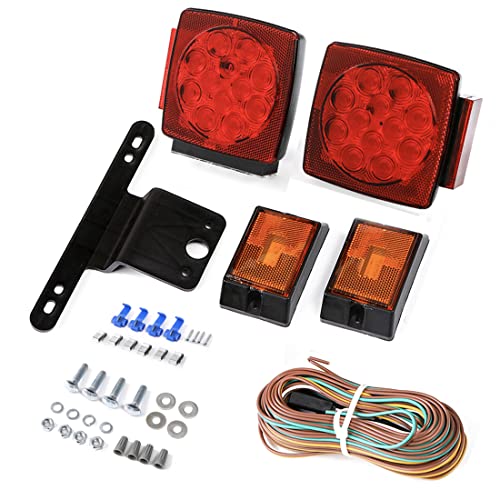
Left and Right trailer tail Lights have 7 functions : stop/turn/tail/rear reflector/side reflector/side marker light/ license plate light. The trailer led lights are suitable for under 80 Inch width towing vehicles, like boat,utility trailer, truck, snowmobile, etc.
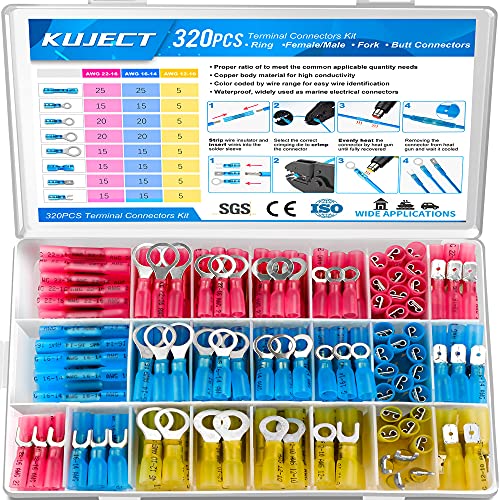
Multiple Choices: Proper ratio of various types to meet the commonly used types needs. This wiring terminals kit contains ring, fork, spade, and heat shrink butt connectors

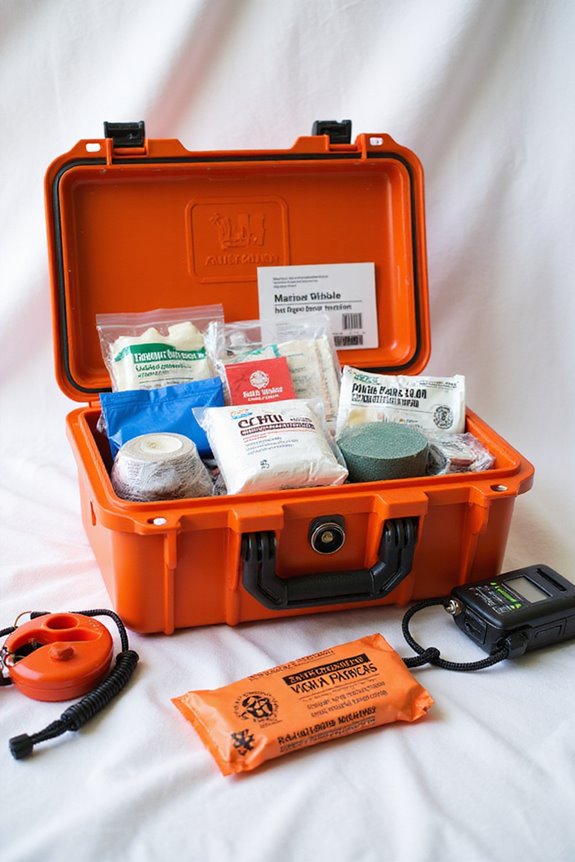
All-In-One Safety Solution: A certified visual and audible distress signaling system combined with first aid, lighting, and tools for emergencies on the water
Maintaining Supervision and Creating a Safe Environment
While the thrill of a yacht adventure pulls us toward the horizon, it’s essential that we don’t let our eyes wander from the little crew members on board. Effective supervision strategies mean assigning adults specific watch roles and rotating duties to keep everyone alert—think of it as our captain’s rotation, but for kid-watching. We also want environment enhancements like safety netting and wide walkways to keep slips and trips at bay. Don’t forget life jackets—non-negotiable for every child on deck! Shaded rest zones not only protect from the sun but give our young sailors a comfy spot to chill. And hey, practicing emergency drills together builds confidence and keeps everyone safe. After all, isn’t creating a secure, fun space what makes our yacht feel like a floating home? Additionally, integrating man overboard alarm systems can provide an extra layer of safety during our adventures on the water.
Frequently Asked Questions
How Can Children Stay Entertained During Long Yacht Trips?
We keep children entertained on long trips with yacht crafts that spark creativity and ocean storytelling to ignite their imaginations. These activities create a shared family experience, helping us bond and feel connected to the sea together.
What Foods and Snacks Are Best for Children on Yachts?
Like picnicking under moonlight from a bygone era, we love packing healthy snacks and easy meals for kids—fruit kabobs, mini quiches, and That’s It fruit bars—so we all feel connected and stress-free on the water.
Are There Specific Sleeping Arrangements Recommended for Children on Yachts?
We always prioritize bunk bed safety and comfortable sleeping gear for our little ones. Portable cribs or pack-n-plays work well, creating cozy, secure spots that help us all feel connected and safe during our shared yacht adventures.
How to Manage Seasickness in Children Effectively While Sailing?
Seasickness remedies can feel like magic potions when the sea turns into a rollercoaster! With careful sailing preparation, we keep kids focused, use fresh air, and try ginger chews, so we all enjoy the adventure together.
What Are the Best Games or Activities to Teach Water Safety Interactively?
We believe interactive games are the best way to teach water safety—they keep everyone engaged and help us learn essential skills together. Let’s explore quizzes, board games, and role-playing activities that make safety fun and memorable!