As an Amazon Associate, we earn from qualifying purchases. Some links may be affiliate links at no extra cost to you. Although our opinions are based on curated research, we haven't used these products. Articles generated with AI.

Understanding Freezers’ Defrost Cycles in Marine Settings

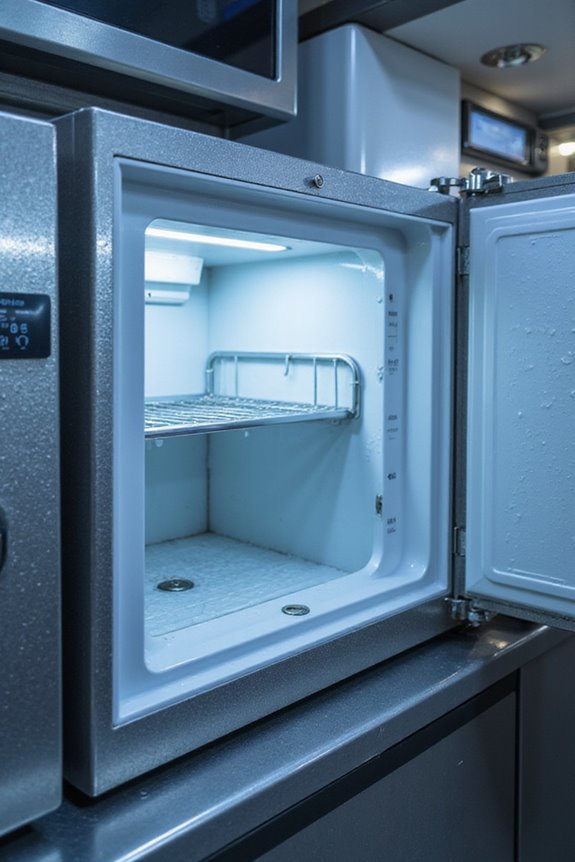
When you’re out at sea, frost can quickly gum up your marine freezer’s evaporator coils, thanks to that salty, humid air. We rely on defrost cycles—usually triggered a few times daily—to melt this frost and keep cooling steady. These cycles use timers and sensors and can employ hot gas, electric heaters, or just pause cooling for a bit. Sure, defrosting causes brief temperature swings, but smart controls minimize impact, ensuring your catch and provisions stay fresh. Curious about how all this tech works and keeps energy bills in check? Let’s dive deeper.
Key Takeaways
- Defrost cycles prevent ice buildup on evaporator coils caused by humid, salty marine air, ensuring consistent freezer performance.
- Timers and temperature sensors typically trigger defrosts about four times daily, stopping heaters once coils reach around +8°C.
- Common defrost methods in marine freezers include hot gas, electric, air, and off-cycle defrost techniques.
- Efficient defrost cycles save energy by optimizing timing, reducing frequency, and recovering heat when possible.
- Properly managed defrost cycles minimize temperature fluctuations, preserving food quality and preventing spoilage onboard.
Purpose of Defrost Cycles in Marine Freezers
You may be interested


Even though it might sound pretty straightforward, defrost cycles in marine freezers play a crucial role that we often overlook. Think about those pesky ice buildups on evaporator coils from humid, salty marine air—they’re not just annoying; they actually block airflow and slow down cooling. That’s where the defrost cycle benefits really show up, preventing coils from turning into solid ice blocks that could stop our freezer’s heart. We all know marine freezer challenges aren’t just about temperature—they include moisture, frequent door openings, and salt air. By clearing frost regularly, defrost cycles keep our freezing consistent, protect the compressor from damage, and save energy we’d rather be using for something else. So yes, defrost cycles quietly do their job, making sure our marine freezers run smoothly and food stays safe on deck.
How Defrost Cycles Operate
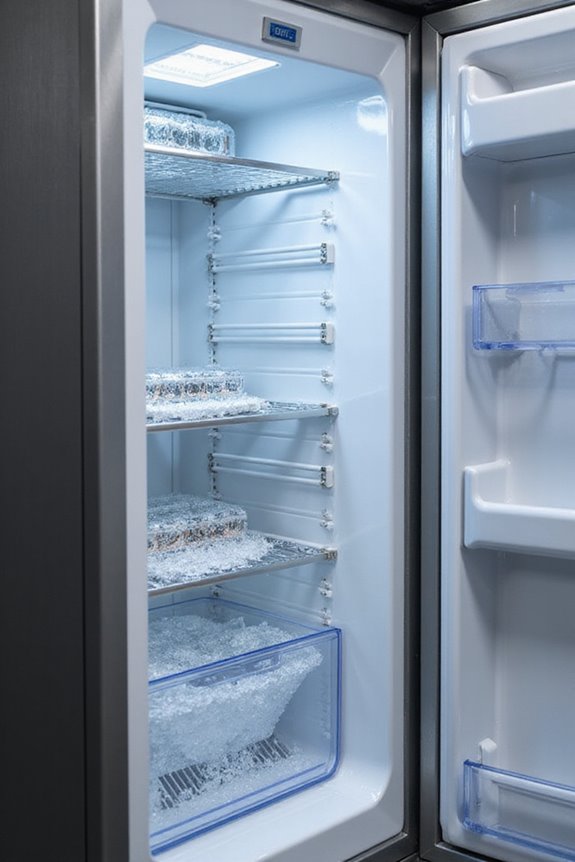
Three key steps power the defrost cycle in marine freezers, and understanding them helps us appreciate how these systems keep frost at bay. First, the unit pumps down refrigerant, clearing the evaporator coils before defrost heating elements kick in—because melting ice with liquid refrigerant around? Not efficient! Next up is defrost timing: usually, timers start defrost roughly four times a day, ensuring frost doesn’t build up excessively. Meanwhile, temperature monitoring plays a starring role, with sensors watching coil temps and signaling the heaters to switch off once the coils hit about +8°C. After that, the system smoothly shifts back to refrigeration. So, by combining careful timing with smart temperature checks, marine freezers stay frost-free and efficient. Pretty cool how these behind-the-scenes moves keep our provisions fresh, right?
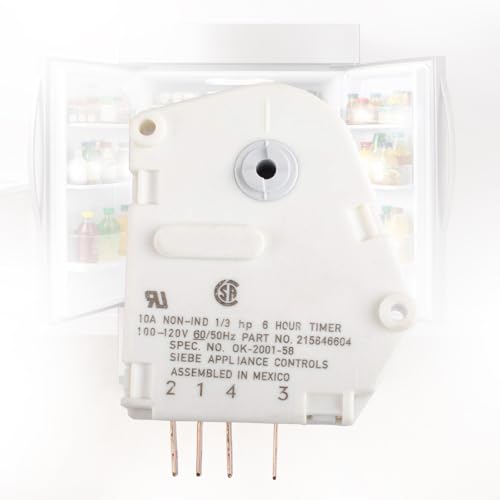

【Part Number】215846604 Refrigerator Defrost Timer.Cycle defrost Timer 6 hours

【Multi-mode Defrost Control】The M814520 commercial refrigeration defrost timer supports three control modes: time start + time end, time start + temperature end, and time start + pressure end. It precisely matches various commercial refrigeration defrosting conditions and offers flexible and efficient control
Various Methods for Defrosting Freezers
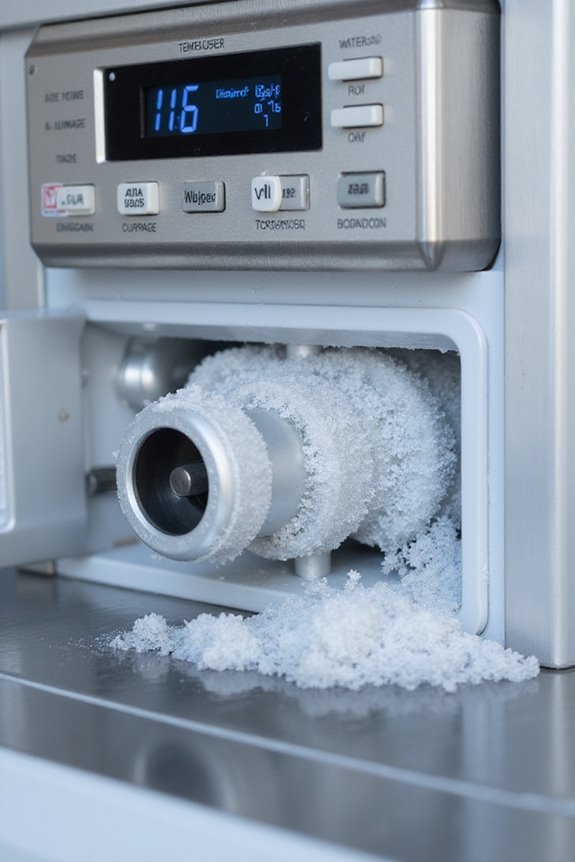
While defrost cycles keep our freezers running smoothly behind the scenes, the way frost gets melted off can vary quite a bit depending on the system. We’ve got options like hot gas defrost, which reverses refrigerant flow to quickly melt frost—great when low defrost duration is needed but tricky to control. Electric defrost uses heating elements for precise, timed melts, though it cranks up energy use a bit. Air defrost is more gentle and energy-smart but takes longer, affecting defrost frequency and duration. Off-cycle defrost simply pauses cooling, letting frost melt naturally—simple but slow, especially in cold marine setups. Finally, hot fluid defrost applies warmed liquids, though it’s less common on boats due to moisture concerns. Each method balances defrost frequency, duration, and energy needs differently—choose what suits your icy marine adventure best!
![[Upgraded] BlueStars WR51X10055 Refrigerator Defrost Heater for G.E](https://m.media-amazon.com/images/I/41U1kdOCZzL._SL500_.jpg)
STABILIZE THE TEMPERATURE: If your refrigerator/freezer is too hot or too cold, you may need to replace the defrost heater. This part helps you control your refrigerator's temperature and keep it stable. This part will fix these symptoms: Fridge too warm, Freezer not defrosting, Freezer section too warm, Frost buildup

1-Year Quality Guarantee

【Package Included】-- 1 × WR51X10055 Refrigerator Defrost Heater, 1 × Refrigerator Temperature Sensor WR55X10025 Refrigerator Temperature Sensor, 1 × WR50X10068 Refrigerator Defrost Thermostat, a full set of refrigerator defrost replacement parts.
Enhancing Energy Efficiency During Defrost
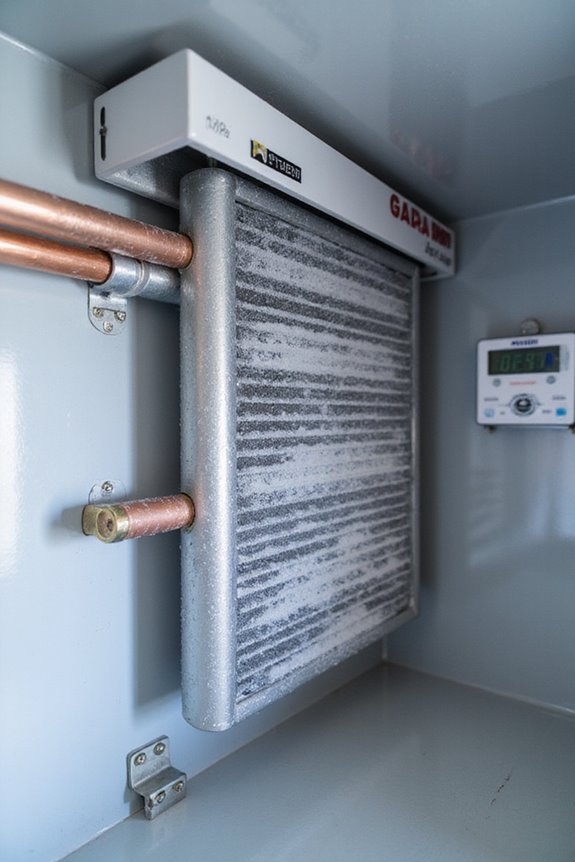
Now that we’ve explored various ways frost melts away inside freezers, let’s think about how we can keep this process from gobbling up too much energy. Thanks to defrost technology advancements, we’ve got smarter controls that reduce how often and how long defrost cycles run. Ever heard of energy recovery systems? They capture heat from defrost fluids and reuse it, cutting down energy waste. Using efficient defrost fluids like glycol or brine also helps lower consumption compared to electrical defrost. Plus, integrating smart sensors lets us time defrosts perfectly, avoiding wasted cycles when frost levels are low. By combining these strategies with regular maintenance, we can keep marine freezer operations energy-friendly—saving costs and the planet, all while keeping our stored goods safe. Curious how much you could save? It’s surprisingly more than you’d think!
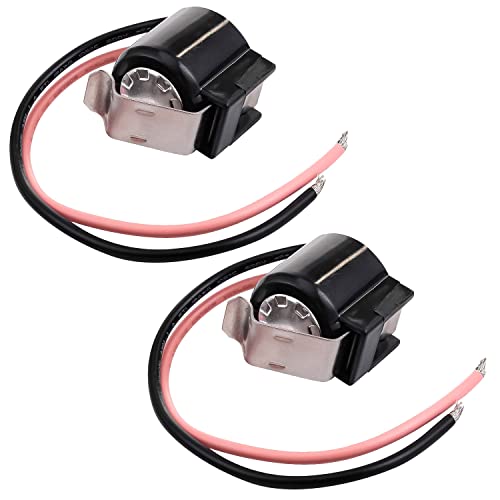
MODEL NUMBER: W10225581 Bimetal Defrost Thermostat (Pack of 2).

⚡𝗣𝗿𝗼 𝗦𝘂𝗽𝗽𝗹𝗶𝗲𝘀 𝗶𝘀 𝗮𝗻 𝗮𝘂𝘁𝗵𝗼𝗿𝗶𝘇𝗲𝗱 𝗱𝗶𝘀𝘁𝗿𝗶𝗯𝘂𝘁𝗼𝗿 𝘁𝗵𝗮𝘁 𝗵𝗼𝗻𝗼𝗿𝘀 𝗜𝗖𝗠 𝘄𝗮𝗿𝗿𝗮𝗻𝘁𝘆!
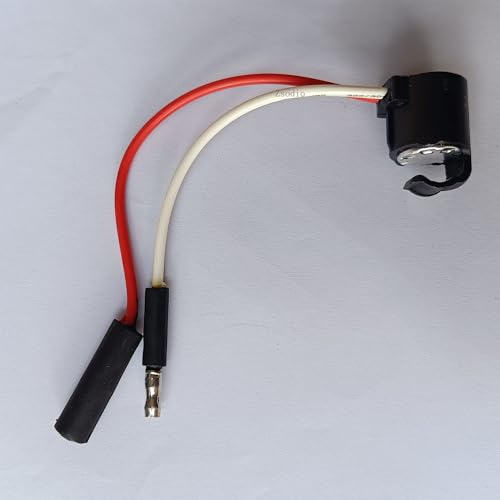
【Model】297216600 Refrigerator Defrost Thermostat.
Effects of Defrost Cycles on Storage Integrity

Because defrost cycles temporarily stop the cooling process, they can cause some unexpected temperature hiccups inside our storage units—ever noticed those little spikes? These temperature fluctuations might seem minor, but they can seriously affect the integrity of what’s stored, especially sensitive items like food or medical samples. We rely on stable temps to prevent spoilage, so maintaining a careful balance during defrost is key. Frequent, shorter defrosts tend to keep things smoother, while longer cycles risk bigger swings that none of us want. Think of it like a mini rollercoaster no one signed up for. Luckily, with proper timing and control, we can minimize these ups and downs, ensuring our storage stays reliable, safe, and fresh—just the way it should be.
Common Control Strategies for Defrost Systems
Since frost buildup is the nemesis of any freezer’s efficiency, controlling how and when we thaw is essential to keeping things running smoothly. We usually rely on a mix of control strategies: off cycle defrost lets frost melt naturally, electric heating aggressively melts ice, and hot gas defrost speeds things up with warm refrigerant. But how do we determine the best time? Sensor integration is key here—temperature and pressure sensors tell the system exactly when to start or stop defrosting, avoiding wasting energy. Airflow management also plays a big part; we turn fans off during defrosts to prevent moisture from rebelling and causing refreeze chaos. Managing all this together guarantees our marine freezers stay efficient and frost-free without turning into costly iceboxes. Who knew defrosting could be so strategic?
Maintenance Practices to Optimize Defrost Performance
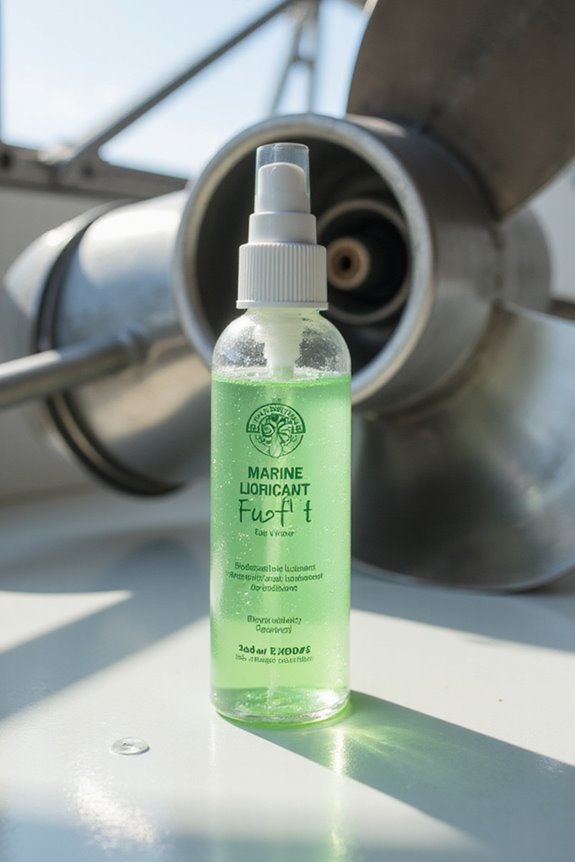
Keeping your marine freezer frost-free is more than just hitting defrost cycles at the right time—it’s about how well we maintain and care for the whole system. So, how do we stay ahead? Preventive measures like regular cleaning of condenser coils and inspecting door seals are key. Following maintenance schedules helps us spot issues—like sneaky cracks or dusty coils—that can slowly sabotage efficiency. We also need to manage moisture carefully: wiping away residual water and using light oil sprays to ease future defrosts keeps ice buildup in check. And let’s not forget planning defrost times smartly, coordinating with the crew so no one’s caught off guard. Together, these practical steps help us extend freezer life, save energy, and keep food safe—because who wants frost bugs crashing the party?
Frequently Asked Questions
How Do Marine Freezer Defrost Cycles Differ From Household Freezers?
Let’s explore how marine refrigeration defrost cycles differ from household ones. We face more ice accumulation due to humidity and salt, so we rely on manual defrosting more often, unlike the automated systems at home.
Can Defrost Cycles Be Manually Overridden During Emergencies?
Think of defrost override like steering through a storm; emergency procedures rarely include direct manual intervention in marine freezers. We usually rely on automated safety nets, but know that power cycling or manual defrosting remains our trusted backup.
What Are Signs of a Malfunctioning Defrost System Onboard Vessels?
We’ve noticed key defrost indicators like excessive ice buildup and uneven frost distribution. These malfunction signs, including frequent compressor cutouts and incomplete defrost cycles, help us spot when the system onboard needs immediate attention.
How Do Saltwater Environments Impact Defrost Cycle Components?
Like a ship weathering storms, our defrost components face saltwater’s harsh bite, testing corrosion resistance and insulation material. Together, we protect these essential parts, strengthening our vessel’s heart against nature’s relentless wear.
Are There Specific Regulations for Defrost Cycles in Commercial Marine Freezers?
It is understood regulatory compliance is key, but there aren’t specific commercial standards solely for defrost cycles in marine freezers. Instead, broader vessel safety and environmental rules guide how we design and operate these systems safely and efficiently.