As an Amazon Associate, we earn from qualifying purchases. Some links may be affiliate links at no extra cost to you. Although our opinions are based on curated research, we haven't used these products. Articles generated with AI.

Understanding Hybrid Propulsion Systems in Yachting

Let’s explore how hybrid propulsion in yachting blends diesel engines with electric motors, giving you quieter rides and cleaner cruising that’s friendlier to the ocean. These systems use clever components like batteries and control units to switch between power sources or combine them for better efficiency. You might wonder, “Is it worth the switch?” Well, it cuts emissions and noise, making your trip greener and smoother. Stick around, and you’ll soon see how hybrid tech changes the yachting game.
Key Takeaways
- Hybrid propulsion combines diesel engines and electric motors for efficient, quieter, and smoother yacht operation.
- Systems include serial and parallel configurations, balancing power control and cost-effectiveness.
- Electric motors reduce emissions and noise, benefiting marine environments and sensitive cruising areas.
- Installation requires specialized skills due to integration complexities and potential increased maintenance costs.
- Advances in batteries, AI navigation, and eco-friendly technologies are driving the industry’s shift to smarter yachting.
Defining Hybrid Propulsion in Yachting
You may be interested
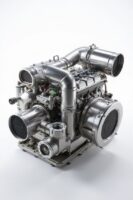
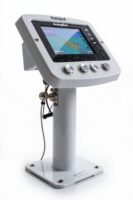
Let’s explore what hybrid propulsion in yachting really means—because it’s not just tech jargon thrown around to sound fancy. Simply put, hybrid propulsion combines traditional diesel engines with electric motors and batteries, giving us the power to switch between or blend these sources. This setup offers hybrid efficiency that helps us save fuel and reduce emissions without sacrificing performance. Ever wonder why it’s becoming a yacht owner’s favorite? The propulsion advantages go beyond saving money—they include quieter cruising, less vibration, and smoother rides. Plus, it works for sailboats and motor yachts alike, adapting to each type’s unique needs. So, hybrid systems aren’t just about new tech; they’re about smarter, cleaner ways for us all to enjoy the water. Who wouldn’t want that?
Key Components of Hybrid Systems
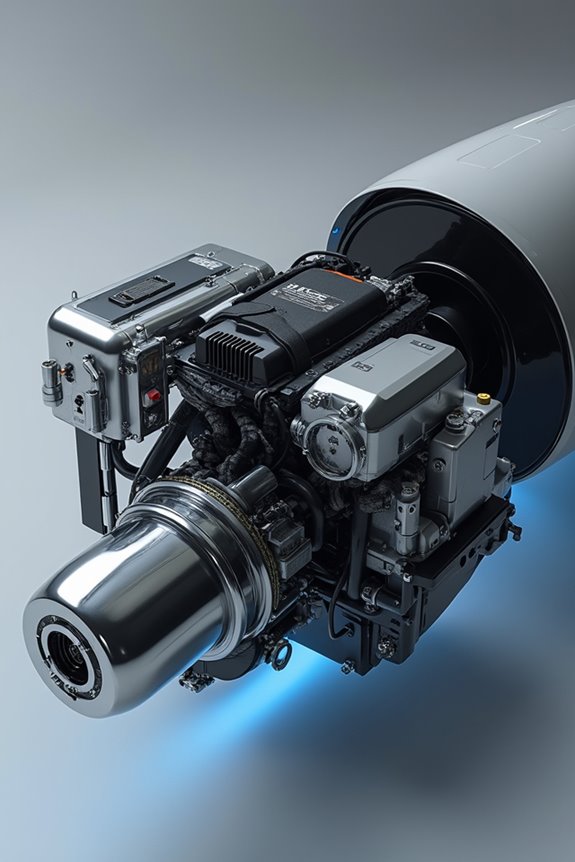
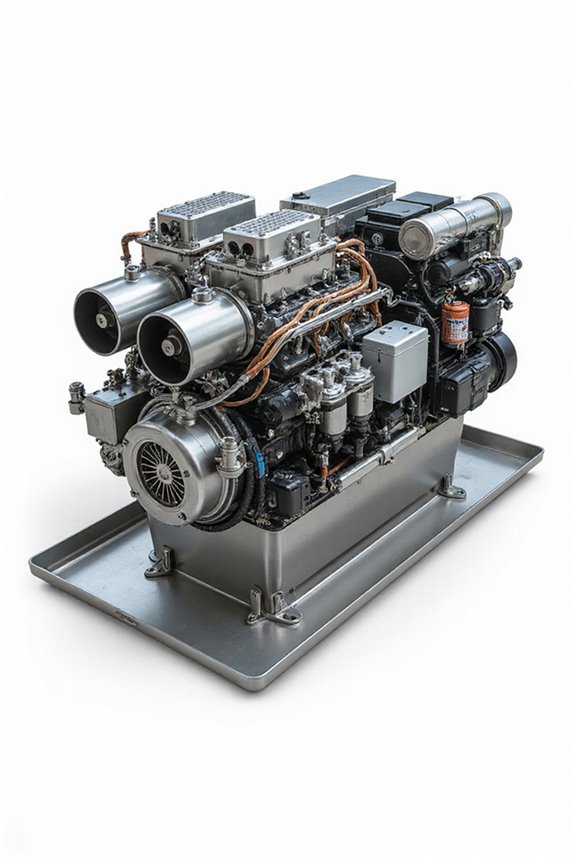
Although hybrid propulsion systems might sound like something from a sci-fi novel, their success hinges on a few key parts working seamlessly together. At the heart, electric motor efficiency is essential—they not only propel us quietly but also regenerate power when paired with combustion engines. Speaking of, these engines provide that extra punch when we need maximum speed, but they work best when paired smartly with our battery packs. Battery management systems keep everything balanced, carefully controlling charge and discharge cycles to extend battery life and keep energy flowing smoothly. And let’s not forget the control systems—they’re like the captain of the ship inside the box, deciding when to switch modes or conserve power. Together, these components create a hybrid system that feels as reliable as old friends on the water.


Comparing Serial and Parallel Hybrid Configurations
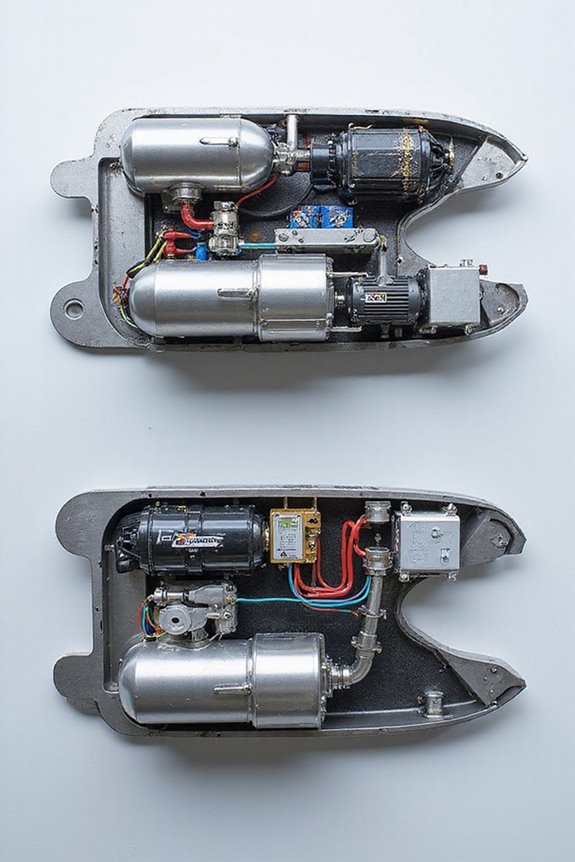
How do serial and parallel hybrid systems stack up in the world of yacht propulsion? Well, serial advantages lie in their neat setup: the engine runs independently of the propeller, charging batteries that power the electric motor alone. This means quieter rides and cleaner emissions—perfect for those peaceful harbor moments. On the flip side, parallel efficiency shines through because both engine and motor connect mechanically to the propeller. This shared work gives us flexibility—cruise on electric, gas, or both—plus better acceleration when needed. While serial systems may require bigger electric motors, their simpler control makes maintenance a breeze. Parallel setups often cost less and handle power surges smoothly. So, whether you lean towards serial’s smooth ride or crave parallel’s dynamic performance, both offer strong perks for savvy yacht enthusiasts like us.
Power Sources Integrated in Hybrid Yachts
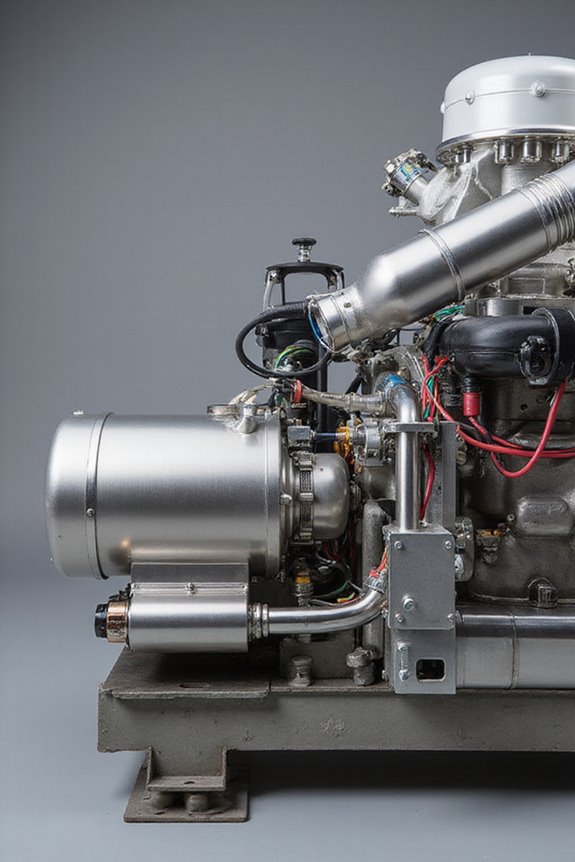
When we plunge into hybrid yachts, the power sources onboard are like the heart and soul of the whole system—they work together to keep us gliding smoothly through the water. Diesel engines provide that trusty muscle for high-speed cruising, while electric motors shine during quiet harbor maneuvers. But here’s the magic: battery efficiency and smart power distribution let us switch seamlessly between these sources. High-capacity battery packs store energy charged by generators or even solar panels, keeping things green and steady. Ever wondered how yachts balance all this power? It’s all about managing energy flow—diesel engines can boost power or charge batteries, while electric motors smoothly take the helm when silence or reduced vibrations matter most. Together, they create a balanced, versatile setup that just feels right out on the water.

POWER ASSIST: With the unique Power Assist feature the MultiPlus-II solar inverter will prevent overload of a limited AC source, such as a generator or shore power connection
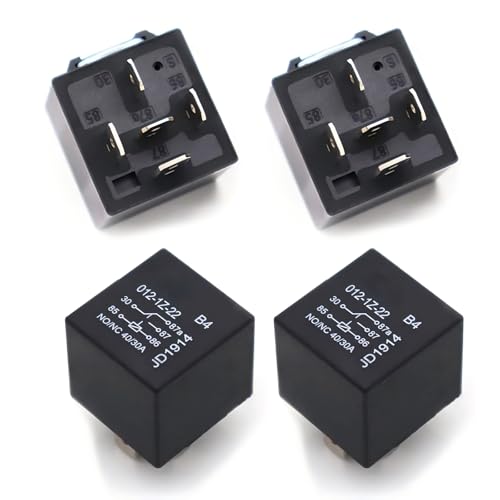
High-grade Material: This relay is made of high-quality material, with a compact and sturdy texture and high mechanical strength. It has good conductivity, waterproofness, heat dissipation and impact resistance, high and low temperature resistance, not easy to age and short circuit, and can be used for a long time.
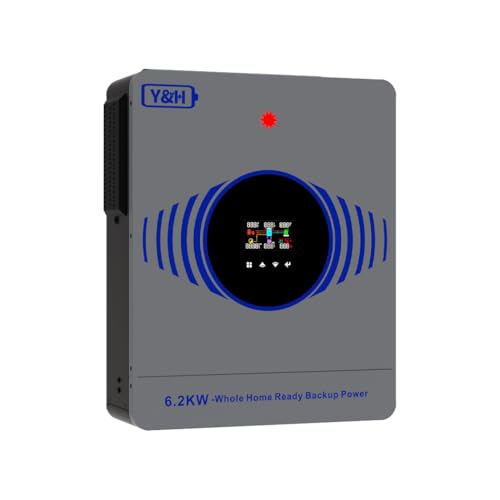
PURE SINE WAVE INVERTER: 6.2KW output power with built-in 120A MPPT solar charge controller, supports up to 8000W PV array with upgraded 27A PV input current (50% increase), DC48V to AC220V conversion, MPPT voltage range 60-450VDC. with battery-free operation capability.
Environmental Benefits of Hybrid Propulsion
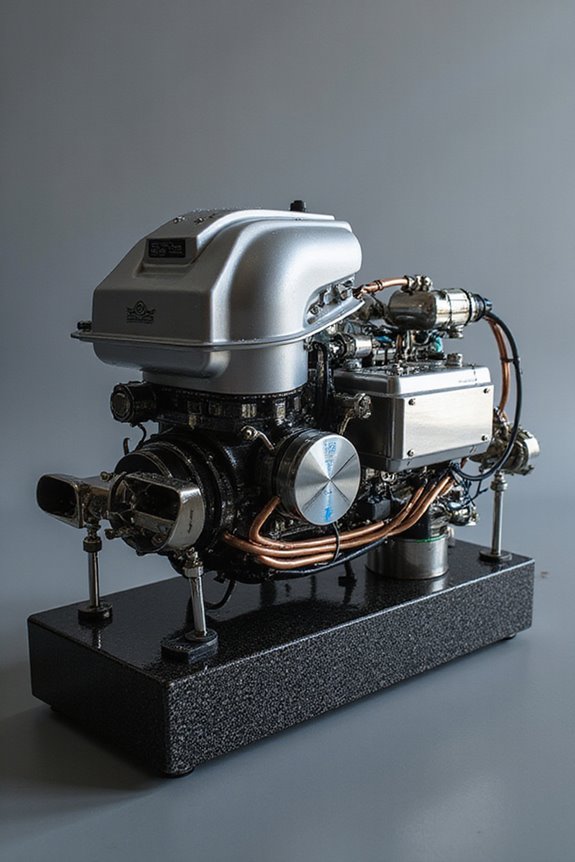
Because hybrid propulsion lets us switch between diesel engines and electric motors, it can seriously shrink a yacht’s environmental footprint—kind of like getting the best of both worlds without the guilt. By running on electric power in sensitive areas, we cut carbon emissions drastically while preserving fragile ecosystems. It’s not just about lowering fuel use; quieter electric motors mean we’re also protecting marine life from noise pollution, helping keep biodiversity intact. Plus, regenerative sailing technology captures energy that would otherwise be lost, boosting efficiency and pushing carbon reduction even further. Isn’t it satisfying to know we can enjoy yachting while respecting the environment? When we choose hybrid systems, we’re actively supporting ecosystem preservation and making a real difference, one silent glide at a time.
Enhancing Onboard Comfort With Hybrid Technology
While many of us think about hybrid propulsion mostly regarding saving fuel and protecting the environment, it’s worth noting that these systems also bring a whole new level of comfort onboard. Imagine cruising without the usual engine roar—noise reduction here isn’t just a bonus; it transforms the atmosphere into something truly relaxing. Conversations flow easily, and your evening rest goes uninterrupted. Plus, with hybrid technology, engine rooms can be placed away from guest areas, meaning less vibration and a more peaceful yacht layout. Ever struggled with noisy anchoring? Silent electric motors handle that smoothly, making docking stress-free and enhancing overall comfort onboard. So, beyond efficiency, hybrid propulsion quietly raises the bar for onboard comfort enhancement—making every voyage feel a bit more like home at sea.
Operational Flexibility for Different Sailing Conditions
Since no two sailing days are exactly alike, having a propulsion system that can adapt on the fly is a game-changer for any yacht owner or captain. With hybrid propulsion, we switch seamlessly between electric motors for quiet, precise maneuvers—perfect for marinas or sensitive spots—and combustion engines when speed and range demand it. This flexibility lets us adjust our sailing strategies based on real-time conditions, effortlessly handling everything from calm harbor docking to open-water cruising. Plus, smart controls optimize power use, so we’re always ready for sudden weather adaptation without stretching fuel or battery limits. Don’t you love how this blends performance with eco-awareness, all while keeping stress low? It’s like having a co-captain that’s always one step ahead, making every journey smoother and more enjoyable.
Energy Regeneration and Renewable Integration
Even though it might sound a bit futuristic, energy regeneration is already changing the game for hybrid yachts, and we’re all for it. By capturing energy from water flow through propellers—thanks to electric motors acting like generators during sailing or braking—these yachts boost energy efficiency and cut engine wear. Pretty clever, right? Add solar panels and waste heat recovery systems, and we’re looking at a smart mix of renewable integration that pushes sustainable tourism forward. Not only do these tech-savvy yachts reduce emissions and noise, but they also keep maintenance costs down and let us sail quietly in eco-sensitive areas. So, while we enjoy the waves, our hybrid systems work behind the scenes making sure our trips are cleaner and kinder to the seas we all love.
Challenges in Installing and Maintaining Hybrid Systems
We’ve seen how hybrid propulsion systems can cleverly capture energy and blend renewables into yachting, but getting these systems up and running smoothly isn’t always a walk on the beach. Installation complexities abound, from fitting electric motors and diesel engines to ensuring they operate seamlessly—think precise shaft alignments and tricky control systems. Maintenance hurdles aren’t easier; specialized skills are rare, making repairs a waiting game and sometimes increasing costs. Plus, the instant electric torque can stress components, demanding extra care. It’s a balancing act that calls for expert knowledge and patience. Yet, for those willing to navigate these challenges, hybrid systems offer exciting potential—though we won’t sugarcoat it: smooth sailing here requires effort, savvy, and a bit of grit.
Future Trends in Hybrid Propulsion for Yachts
While hybrid propulsion is no longer just a niche option, it’s poised to become a major player in the yachting world soon—think about nearly one in three new yachts coming with these systems by 2026. So, what future technologies can we expect? Lithium-ion batteries will keep getting better, solar panels will supply more onboard power, and hydrogen fuel cells might join the party, making silent, emission-free cruising a norm rather than a luxury. Yet, market challenges remain, like balancing innovation costs with customer demand and maneuvering complex regulations worldwide. Still, seeing smart AI navigation paired with hybrid setups, plus diverse yacht sizes embracing eco-friendly drives, shows the industry’s clear shift. Ready to sail into this cleaner, smarter future together? We sure are!
Frequently Asked Questions
How Does Hybrid Propulsion Impact Insurance Premiums for Yacht Owners?
We face premium adjustments and risk assessment challenges together, as hybrid yachts often come with higher costs and limited data. Yet, by staying informed and proactive, we can navigate insurance complexities and protect our shared passion.
Can Hybrid Systems Be Retrofitted to Older Yacht Models?
It is understood that retrofitting challenges can be tough on older yachts, especially with engine room modifications. But if we plan carefully and consider cost considerations, together we can modernize your yacht while embracing eco-friendly progress and saving long-term expenses.
What Training Is Required for Crews to Operate Hybrid Propulsion Systems Safely?
We understand crew training is key, so we focus on safety protocols covering hybrid-electric principles, battery risks, and emergency responses. Together, we guarantee everyone’s confident, competent, and connected to handle hybrid propulsion systems safely and effectively.
How Do Hybrid Propulsion Systems Affect Yacht Resale Value?
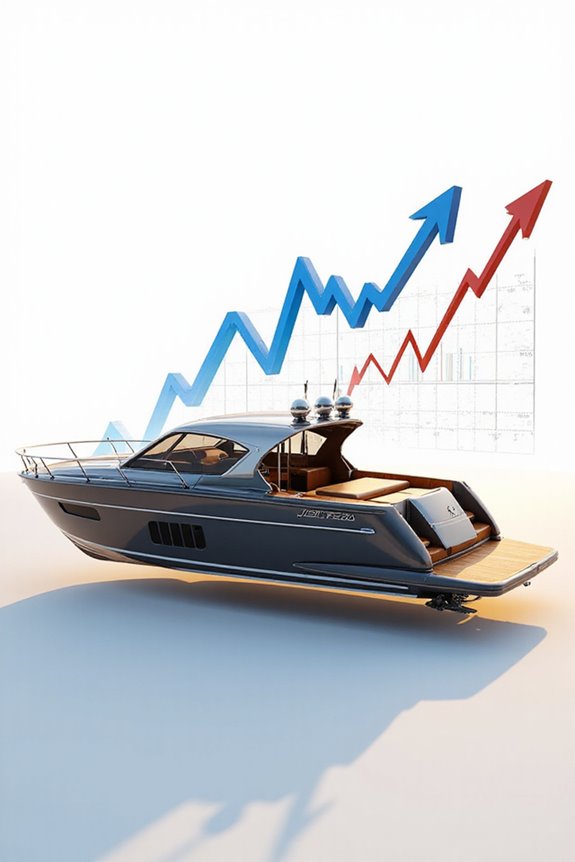
Did you know the hybrid boat market’s value is expected to reach $4 billion by 2032? We see resale trends rising as market demand grows, proving hybrid yachts boost value and connect us to a greener, smarter boating community.
Are There Specific Marina Regulations for Docking Hybrid Yachts?
You’re curious about marina policies and docking procedures for hybrid yachts. We’ve learned marinas require owner occupancy, proper mooring, and prior approval for accessories—so following these rules helps us all belong and keep docks safe.