As an Amazon Associate, we earn from qualifying purchases. Some links may be affiliate links at no extra cost to you. Although our opinions are based on curated research, we haven't used these products. Articles generated with AI.


How to Properly Inspect Your Life Rafts

Let’s face it—life raft inspections aren’t the most exciting task, but they’re essential. We start with a careful look at the fabric for tears or UV damage, then check seam integrity using soapy water to spot leaks. Next, we weigh and test the inflation cylinders to verify they hold pressure and replace worn seals. Don’t forget the emergency gear—expired flares or dried-out rations won’t help much! Keeping detailed records and following proper maintenance keeps everything ready when you need it most. Stick with us, and you’ll be set to handle this critical safety check like a pro.
Key Takeaways
- Visually inspect fabric and seams for wear, cuts, abrasions, and UV damage to ensure outer components are intact and secure.
- Check inflation cylinders by weighing and replace seals during recharge; test inflation system pressure and relief valves regularly.
- Assess the fabric’s structural integrity by visually checking for tears, cracks, and weaknesses that may compromise durability.
- Verify emergency supplies such as first aid kits, flares, water, and food are current, functional, and within expiration dates.
- Perform regular testing and certification to ensure compliance with SOLAS standards and overall life raft readiness.
Inspecting the Outer Components of the Life Raft
You may be interested


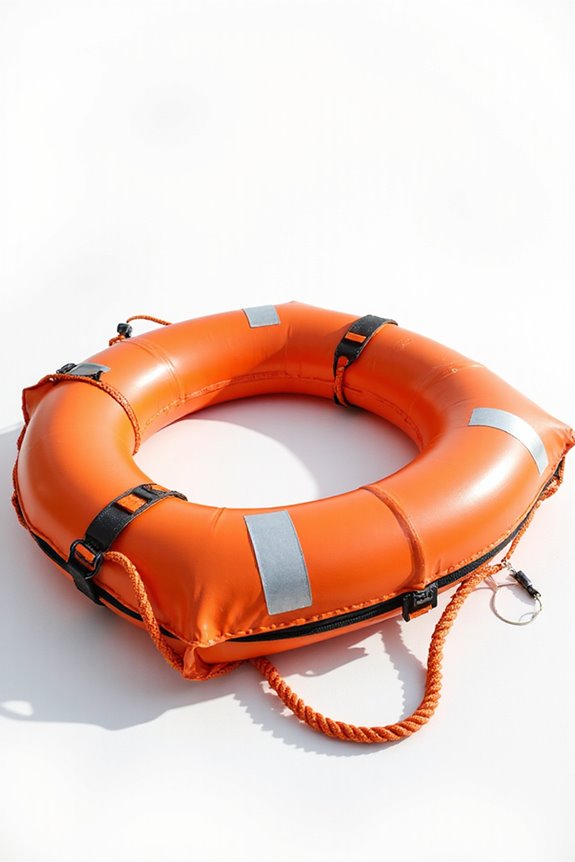
When it comes to inspecting the outer components of a life raft, there’s a lot to cover, but let’s take it one step at a time. First off, we really want to give the fabric and seams a thorough visual inspection. Spotting any signs of wear, cuts, or abrasions early helps us avoid surprises later. Ever thought about seam integrity? It’s essential. We check especially the pressurized seams with soapy water—bubbles could mean leaks. Don’t forget to scan for UV damage, since sun exposure can weaken the fabric before we realize it. Also, those lines around the raft’s floor chamber aren’t just decoration—they’re our lifelines, so they must be intact and secure. Checking these parts carefully keeps our raft ready and reliable—because in safety, every stitch counts!
Checking the Inflation System for Safety and Functionality
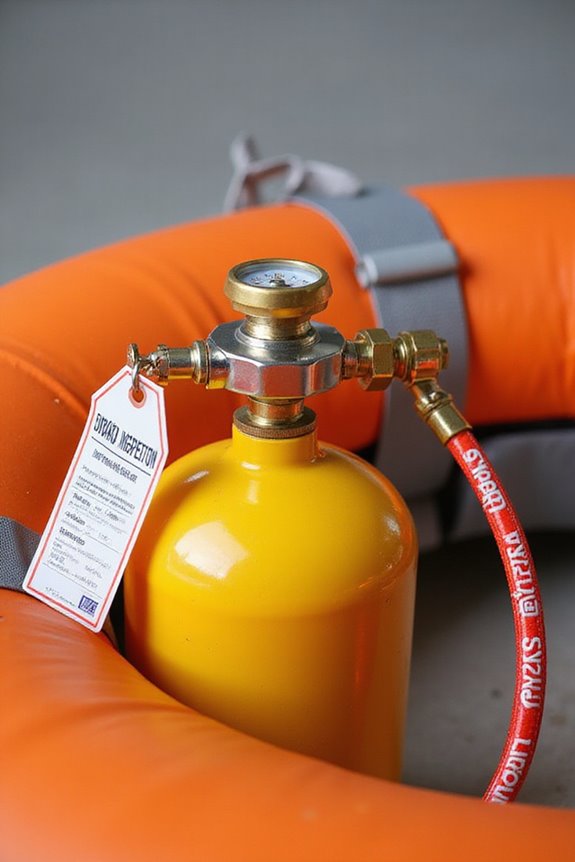
Although checking the inflation system might not sound as thrilling as some parts of life raft maintenance, it’s absolutely essential for safety. We start with inflation cylinder inspection, weighing each cylinder carefully—if it’s lost more than 5% of its charge weight, it’s time for a recharge. And don’t forget, every recharge means replacing the poppet-pin assemblies and seals to keep things airtight. Then, there’s gas inflation testing, which we perform at least every five years to guarantee the system holds pressure with minimal drop, usually under 5%, over one hour. Sounds like a lot? It’s worth it, because proper testing guarantees those relief valves work when we need them most. So, what’s the takeaway? Keeping the inflation system in top shape isn’t just good practice—it’s a lifeline.
Assessing the Structural Integrity of the Life Raft Fabric
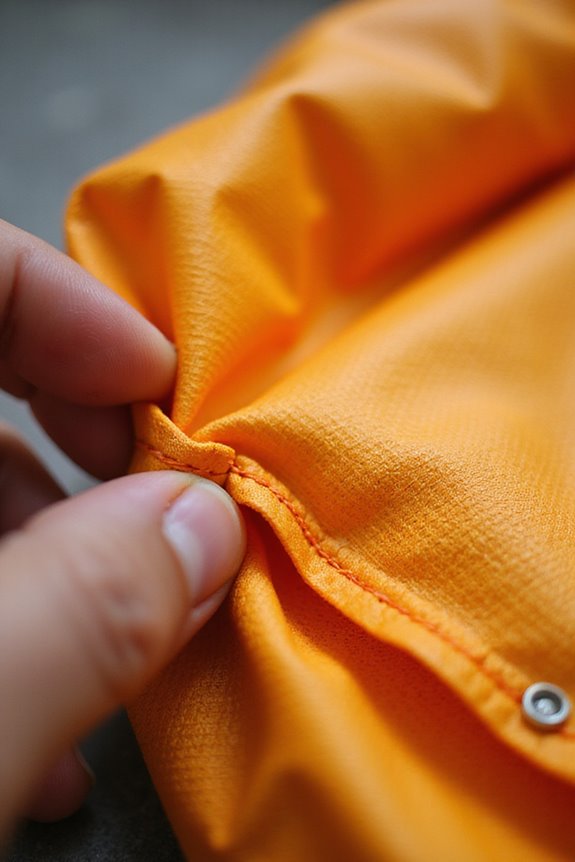
Now that we’ve made sure the inflation system will fill our life raft properly, it’s time to turn our attention to the raft’s fabric itself. Our fabric durability assessment is vital because the material protects us from the harsh elements—think UV rays, saltwater, and potential abrasion. So, how do we handle environmental stress evaluation? First, we carefully inspect the fabric for tears, cracks, or signs of wear, using both visual checks and, if possible, non-destructive tests. We’re looking for weaknesses that could compromise safety when seconds count. Remember, that tough nylon or polyurethane we rely on can still fatigue over time. Regular cleaning, proper storage, and timely repairs keep it ready for action. After all, a life raft’s strength lies not just in inflation but in every thread holding it together.
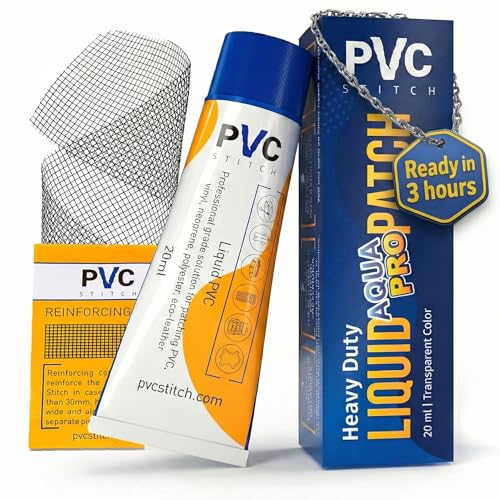
AquaPro is a perfect durable heavy duty saltwater ready Inflatable Hot Tub Repair kit, Kayak Patch kit, Float Repair kit, Waders Repair kit, Patch Kit for Inflatables, Air Mattress Patch Kit, Patch for Above Ground Pools, Pool Liner Repair kit, Air Track Patch Kit, PVC Glue, PU Glue, Inflatable Glue

DESIGNED FOR AIR MATTRESS REPAIR — This air mattress patch kit is specially made for all types of air beds, creating a strong, lasting seal that keeps them firm and leak-free. Safe, gentle, and odor-free for worry-free sleep.
Verifying the Condition of Emergency Equipment Supplies
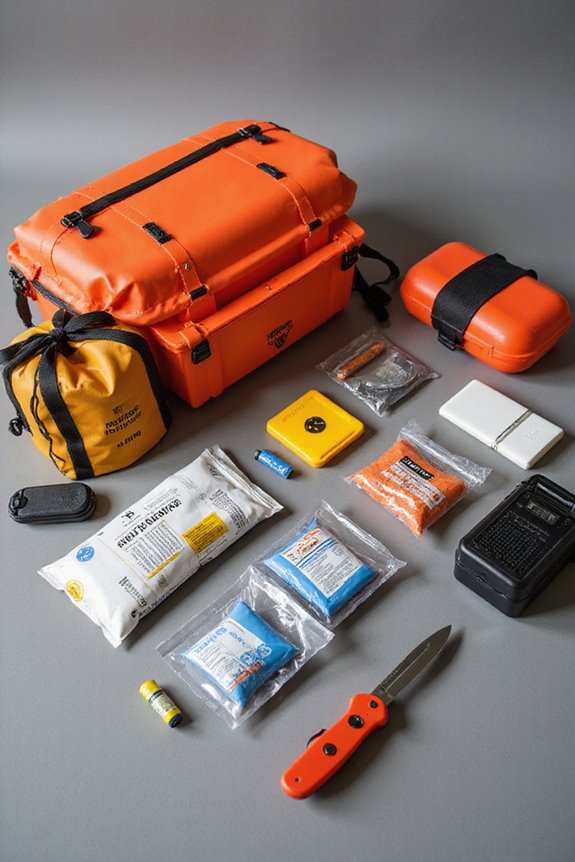
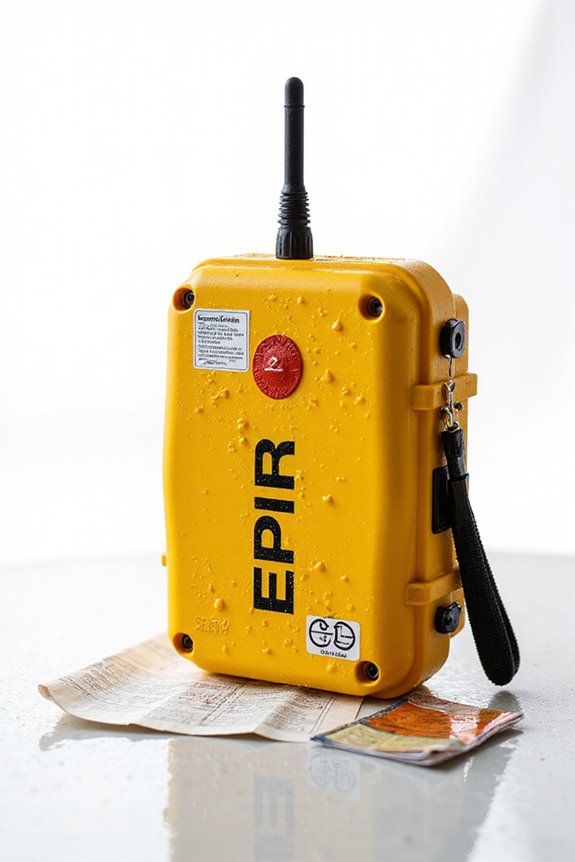
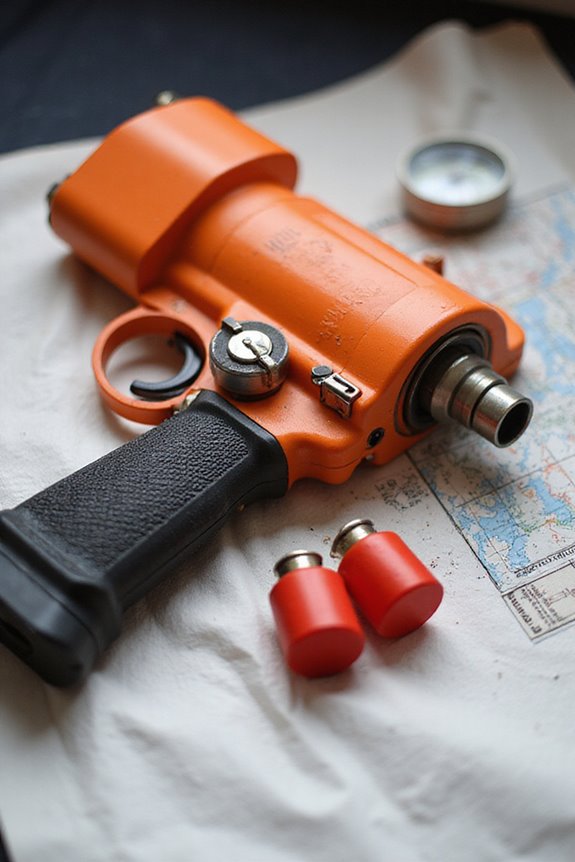
A critical part of inspecting a life raft is double-checking that all emergency equipment supplies are in good shape and ready to go. Let’s dig into the emergency kit together—you know, those vital items like first aid materials, flares, and water rations. It’s essential to check supply expiration dates, especially on flares and food packs; no one wants a dud flare during a real emergency. Also, take a quick look at patch kits, bailers, and barf bags—yep, those are handy for comfort and quick fixes. Water and food supplies need particular attention too. By ensuring everything’s current and functional, we help guarantee the kit works when it really counts, turning our life raft from just fabric into a true lifeline. Ready for the next step?
Performing Testing and Certification Procedures
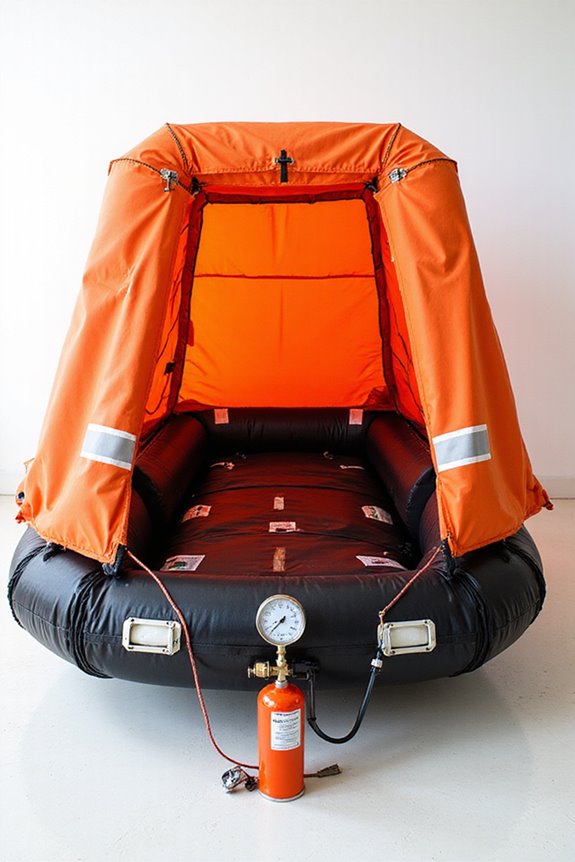
When it comes to performing testing and certification procedures on life rafts, we’ve got to think of it as the ultimate safety check—a thorough exam to make sure everything works just right when lives depend on it. First up is type testing, which proves the raft meets SOLAS standards by withstanding tough conditions like 30 days afloat and impacts during launch. Then, we move to production standards, where each raft gets tested for proper inflation and pressure retention—think of it as the raft’s personal gym test. Certification from recognized authorities is the final stamp of approval, confirming our raft is ready for action. So, shall we skip a test? Absolutely not—because passing these procedures means the difference between safety and chaos out at sea.
Proper Maintenance and Repacking Techniques
Let’s plunge into proper maintenance and repacking techniques, which might not sound thrilling, but trust me—they’re the unsung heroes of life raft safety. Regular maintenance frequency matters—a lot. We’ve got to schedule inspections and repacking every 1 to 3 years, depending on the raft’s age and type. Skipping these can jeopardize functionality when you need it most. Plus, technician qualifications aren’t just a box to tick. Only trained, certified pros should handle deflation, folding, and repacking. They follow specific, manufacturer-approved protocols to keep the raft snug and damage-free inside its container. Think of it as tucking a kid into bed just right. So, who else wants their life raft ready for action? By sticking to schedules and expert handling, we’re already ahead in safety and peace of mind.
Keeping Detailed Records of Inspections and Repairs
Sticking to maintenance schedules and expert repacking is just one side of the life raft safety story. We also need to focus on keeping detailed records of inspections and repairs. Record retention isn’t just paperwork—it’s our proof of compliance requirements and an essential safety net. We’re talking about logging serial numbers, service dates, inspector names, and even the vessel owner’s details. These records must be kept for at least five years and be ready for Coast Guard review—yes, they do check up! Each raft gets permanent markings and inspection stickers that tell the story of its care. Think of these records as the lifeboat’s medical history; without them, how do we ascertain it’s fit to save lives? So let’s keep those files tidy, complete, and up to date.
Frequently Asked Questions
How Often Should Life Rafts Be Replaced Entirely?
It is understood that replacement frequency hinges on lifespan factors like wear, damage, and regulatory limits. Together, we should plan to replace life rafts every 10-15 years, ensuring safety and compliance for our shared maritime responsibilities.
Can Life Rafts Be Stored Outdoors Long-Term?
We can store life rafts outdoors, but long-term exposure demands careful outdoor storage practices. Shielding them from moisture, UV rays, and pests lets us protect our gear together, ensuring safety and longevity for all in our group.
What Temperature Ranges Affect Life Raft Materials Most?
Like enduring winter’s chill or summer’s blaze, our life rafts face temperature extremes that accelerate material degradation. Together, we must understand these effects to shield our safety gear, ensuring it stands strong when we rely on it most.
Are There Specific Brands Recommended for Durability?
When we explore brand comparisons and durability ratings, we find VIKING stands out for reliability. Together, we can trust such premium brands, knowing their rigorous standards match our shared commitment to safety and durability at sea.
How to Dispose of Life Rafts at End of Life?
When disposing of life rafts, we follow strict disposal guidelines, depressurize cylinders, mutilate rafts to prevent misuse, and prioritize life raft recycling. Together, we guarantee compliance and protect our environment responsibly with proper documentation.