As an Amazon Associate, we earn from qualifying purchases. Some links may be affiliate links at no extra cost to you. Although our opinions are based on curated research, we haven't used these products. Articles generated with AI.

Effective Strategies for Managing Marine Growth

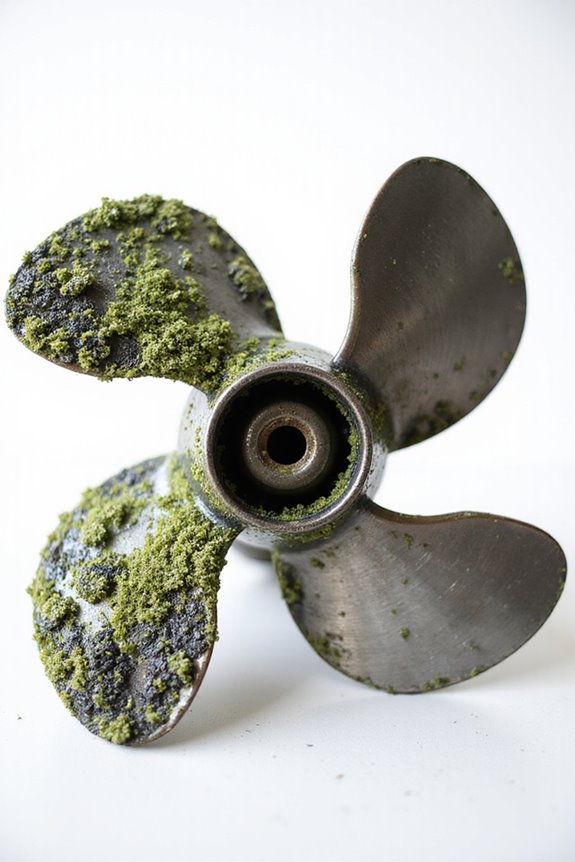
Managing marine growth is a lot like being a detective and a gardener at once—knowing which critters like which spots and conditions helps us stay ahead. We use tech like electrolysis and eco-friendly coatings to keep hulls clean, cutting down on costly maintenance without hurting the ocean. Plus, AI and sensors spot growth early, so we don’t get surprises. Curious how industries keep things smooth sailing? Stick with us, and there’s plenty more to uncover.
Key Takeaways
- Use electrolysis-based Marine Growth Prevention Systems releasing ions to inhibit organism settlement and reduce corrosion.
- Apply biodegradable antifouling coatings that minimize environmental impact while preventing biofouling.
- Employ early detection technology like AI-powered image classification and predictive mapping to monitor marine growth.
- Integrate onsite electrochlorination systems producing sodium hypochlorite for safe, effective chemical treatment.
- Utilize ultrasonic and smart sensor technologies to enhance fouling control in maritime and renewable energy industries.
Understanding Marine Growth Patterns and Influencing Factors
You may be interested

While marine growth might seem like just random stuff clinging to underwater surfaces, there’s actually a fascinating mix of patterns and factors behind it all. We’re talking about species interactions and nutrient dynamics shaping who settles where and how quickly they multiply. For instance, mussels love shallow, fast-moving waters, forming dense groups, while barnacles prefer deeper spots. Temperature and food availability—like plankton or organic nutrients—play big roles in growth rates. Ever wonder how these organisms decide their “real estate”? It’s all about adapting to salinity, water flow, and even wave exposure. By understanding these ecological drivers, we become better at predicting growth patterns and managing their impacts. So, what seems like a mess underwater is actually a complex, dynamic community working—or competing—together.
Overview of Marine Growth Prevention Technologies
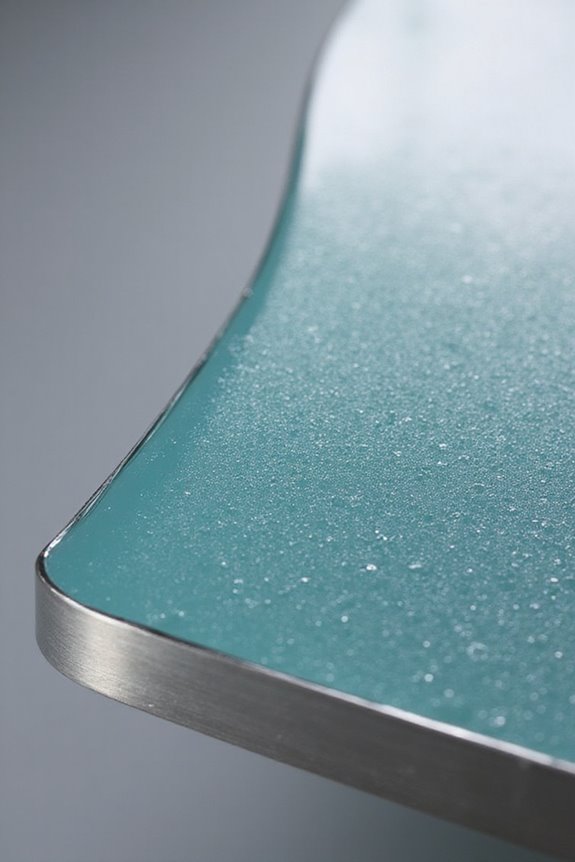
We all know marine growth can really gum up the works on ships and underwater equipment, but how exactly do we keep it from turning everything into a slimy mess? Tackling biofouling challenges means using smart prevention technologies. One common approach is the Marine Growth Prevention System, or MGPS, which uses electrolysis—copper and aluminum anodes release ions that stop organisms from settling and protect against corrosion. Plus, electrochlorination systems create sodium hypochlorite onsite, offering chemical treatments that safely control both big critters and microscopic growth without the messy handling of chlorine. These technologies not only save time and maintenance costs but also help keep cooling systems flowing smoothly. Together, they offer a balanced, effective shield against the slimy invaders, making life easier for everyone working on and around marine vessels.

Weighs approximately 5 pounds Size: Width 3" Height 1 1/4" Length 9" Strap is 12" overall Teadrop Shaped Made to current MIL A 18001K spec (aka ASTM B-418 Type 1)
Balancing Environmental Impact With Effective Fouling Control
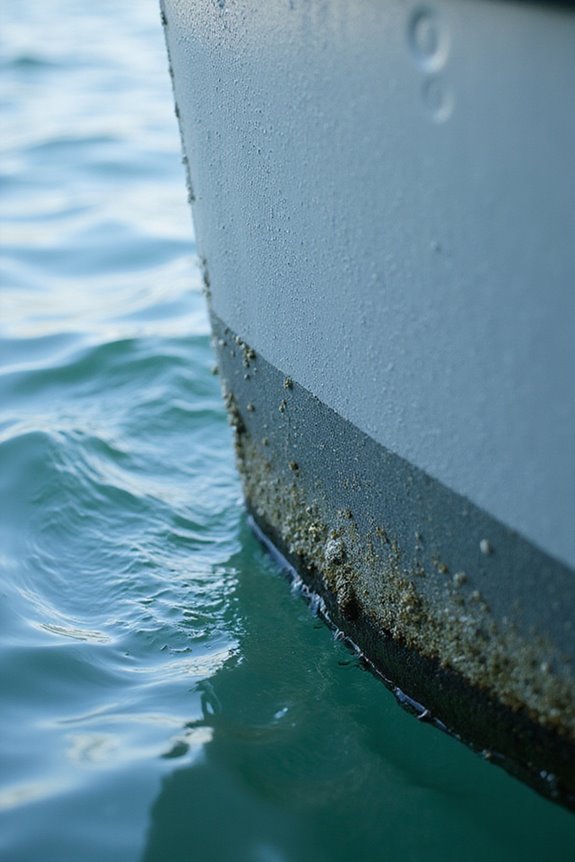
Because marine growth control often means using chemicals or coatings that can harm the environment, finding the right balance between effective fouling prevention and protecting our oceans isn’t simple. We all want to keep our boats and ships clean without turning the sea into a toxic soup, right? That’s where biodegradable coatings come in, helping us maintain ecological balance by breaking down naturally without lingering harm. These innovative materials reduce the need for frequent repainting and limit harmful biocide use, so we protect marine life while keeping hulls efficient. It’s a win-win: less pollution, better fuel savings, and a happier ocean. So, as we navigate marine growth management, let’s choose smarter, eco-friendly methods that serve both our needs and our planet’s wellbeing.


All STIFFIE SUPER STICKY DECALS incorporate permanent LSE (low surface energy) waterproof adhesive that adhere to Sea-Doo SPARK, PWC, Inflatable Boats, RIBs, Hypalon and PVC with no plastic plate required UNLESS you are going to DEFLATE your inflatable boat.

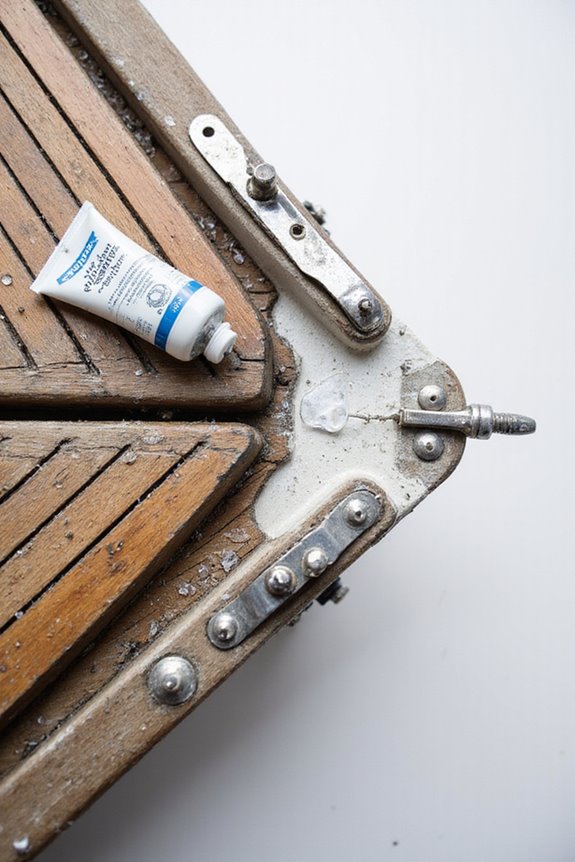
Marine-Tex is designed for filling, bonding and rebuilding wood, fiberglass, ceramic, glass, metal, masonry and many plastics
Monitoring and Predictive Mapping Techniques for Early Detection
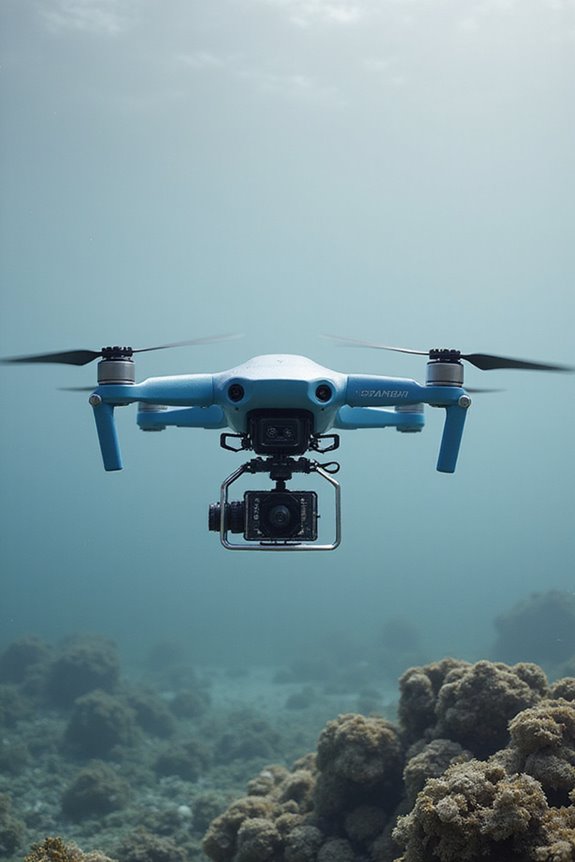
Keeping marine growth in check isn’t just about using eco-friendly coatings; it’s also about spotting the problem early before it gets out of hand. That’s where monitoring and predictive mapping come in. By using image classification powered by deep learning, we can identify pesky biofouling like barnacles with surprising accuracy. Ever wondered how we predict where growth might pop up next? Predictive analytics, combined with geospatial data, helps map potential hotspots, making maintenance smarter, not harder. It’s kind of like having a marine growth weather forecast! Plus, integrating AI with underwater sensors means we catch early signs swiftly—no surprises later. So, by teaming tech with biology, we stay one step ahead, keeping our marine environments cleaner and our infrastructure running smoother. Quite the partnership, isn’t it?
Industry Applications and Emerging Trends in Marine Growth Management
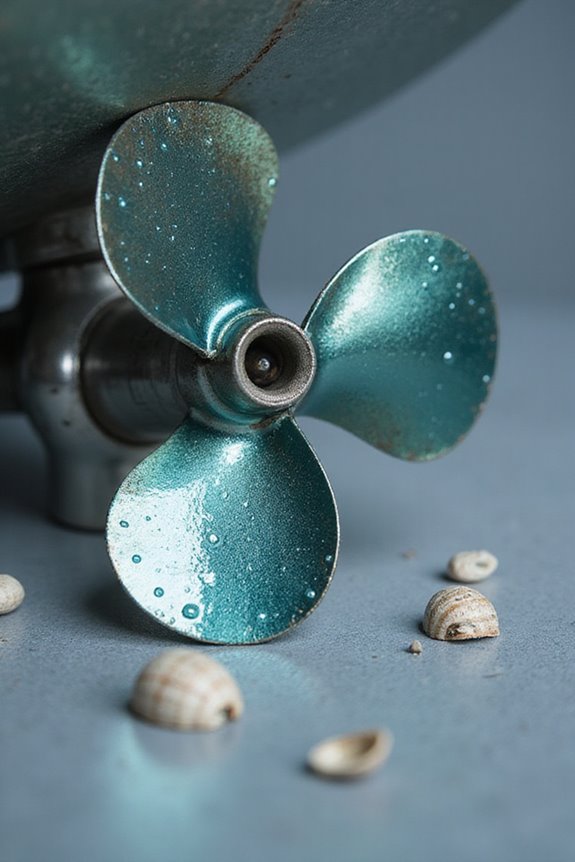
In the world of marine growth management, several industries are pulling out all the stops to keep biofouling at bay—and not just to look good underwater. We’re talking shipping efficiency, where every barnacle removed means fewer fuel dollars burnt. Renewable energy is stepping up too, with tidal turbines and wind foundations needing clean surfaces to perform their best. Oil platforms, having dealt with marine growth for decades, share their wisdom with these green peers. Harbor maintenance guarantees safe, clear waters for all vessels, while aquaculture sustainability depends on managing growth to keep fish healthy and nets intact. New tech like ultrasonic systems and smart sensors are changing the game, making biofouling control cleaner, smarter, and a lot less messy. It’s a team effort beneath the waves—and we’re all in it together.
Frequently Asked Questions
How Do Maintenance Routines Affect the Longevity of Marine Growth Prevention Systems?
Like tuning a favorite guitar, our maintenance schedules and routine inspections keep marine growth prevention systems in harmony. Together, we guarantee longevity and reliability, creating a community dedicated to preserving our vessels’ health and performance.
What Are the Cost Differences Between Electrolytic and Non-Electrolytic MGPS?
When we compare cost differences, electrolytic systems have higher upfront costs but excel in system efficiency, lowering operating expenses. Non-electrolytic options cost less initially but often bring higher maintenance, making cost comparison essential for us all to decide wisely.
Can Marine Growth Prevention Methods Damage Underwater Coatings or Materials?
Did you know up to 30% of underwater coatings face material degradation from incompatible anti-fouling methods? We’ve found that ensuring coating compatibility is essential to protect our vessels and keep our marine community thriving underwater.
How Does Cathodic Protection Influence Biofouling Levels Around Marine Structures?
It is understood cathodic effectiveness alone doesn’t guarantee biofouling reduction, but when we combine cathodic protection with antifouling measures, we create a stronger defense together, ensuring our marine structures stay protected and longer-lasting in harsh environments.
Are There Specific Surface Architectures Proven to Reduce Biofouling Effectively?
Did you know surface textures can reduce biofouling by up to 90%? Together, we can embrace these innovations in surface architecture to enhance biofouling resistance and protect our shared marine environments more effectively.