As an Amazon Associate, we earn from qualifying purchases. Some links may be affiliate links at no extra cost to you. Although our opinions are based on curated research, we haven't used these products. Articles generated with AI.

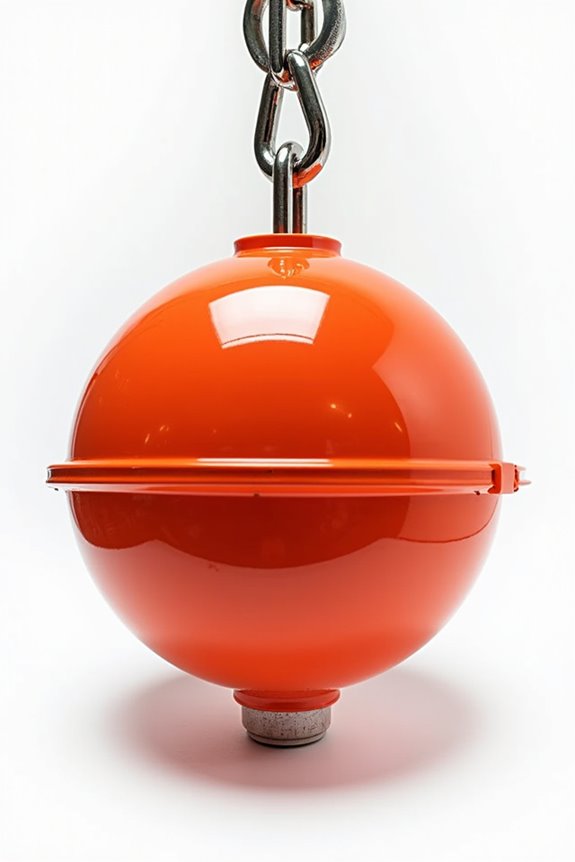
Mooring Buoys: A Comprehensive Installation Guide

When setting up mooring buoys, we start by choosing tough, weatherproof buoys and heavy-duty chains sized for your water depth and boat weight—no weak links allowed! Installation means careful site surveys, securing anchors with divers, and threading buoy chains safely, all while following environmental rules to protect our precious marine life. Regular inspections and shackle swaps keep everything shipshape. It’s teamwork and precision, with a splash of common sense. Stick with us, and you’ll soon master every step for a secure, eco-friendly mooring.
Key Takeaways
- Conduct thorough pre-installation site surveys and inspections to ensure proper buoy placement and seabed suitability.
- Select durable materials like UV-stabilized polyethylene buoys and correctly sized stainless steel chains based on load calculations.
- Install anchors securely using drilled and cemented pins, attaching heavy chains and pennant lines with strong splices and shackles.
- Perform regular inspections, cleaning, and maintenance to prevent wear, chain snapping, and ensure mooring safety and compliance.
- Comply with local and federal regulations, obtain necessary permits, and minimize environmental impact during installation and upkeep.
Pre-Installation Component Checklist
You may be interested
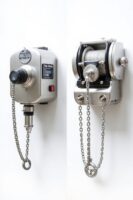
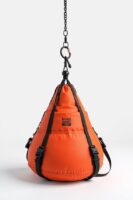
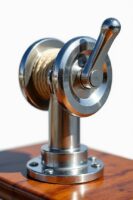
Getting ready for a mooring buoy installation isn’t just about showing up with gear and hoping for the best—there’s a solid checklist we need to follow first. We begin with thorough pre installation inspections, checking every component to avoid surprises out on the water. It’s like triple-checking your kayak before a trip—making sure chains, shackles, and buoys are in perfect shape. Then there’s anchor placement, which isn’t just eyeballing a spot. We rely on site surveys to confirm seabed conditions and water depths, ensuring that anchors sit firmly where they should. Plus, we mark these locations clearly with buoys so the crew knows exactly where to go. It’s teamwork, preparation, and precision—because a good foundation keeps everything floating smoothly and securely.
Selecting Appropriate Materials for Mooring
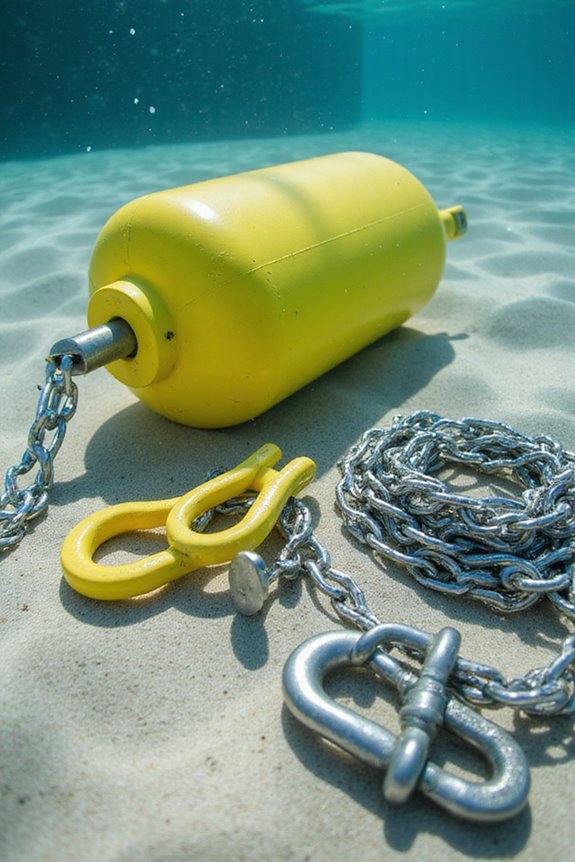
Choosing the right materials for mooring buoys isn’t just about picking whatever floats—you want durability, safety, and a bit of smart design all rolled into one. When we talk material durability, plastics like UV-stabilized polyethylene and PVC offer resistance to sun damage and corrosion, keeping buoys reliable longer. Metals such as stainless steel provide strength, especially in tougher conditions, though they need protective coatings to fight rust. For buoyancy optimization, closed-cell polyethylene foam or high-density polyurethane foam are our go-to choices; they’re lightweight yet tough, ensuring the buoy stays afloat through rough waters. Plus, integrated stainless steel mooring eyes add security. Together, these materials create a buoy that’s not just functional but built to last—and who doesn’t want their mooring gear to pull its weight without a fuss?
Determining the Right Chain Size and Length
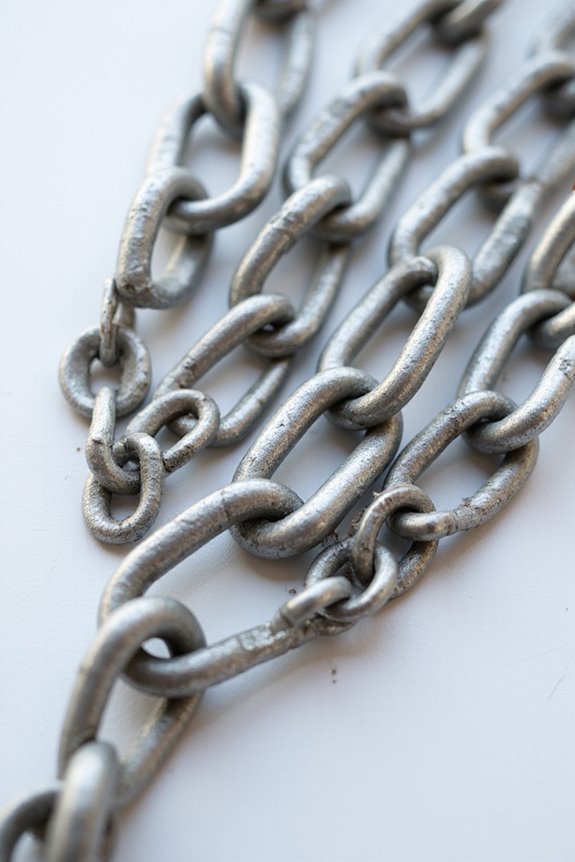
Now that we’ve picked out materials that can tough it out on the water, it’s time to talk about the chain connecting our mooring buoy to the seabed. Choosing the right chain diameter isn’t just about size fitting; it depends largely on the buoy weight and environmental forces like wind and waves. Unlike boats, mooring buoys require chains sized through careful load calculations, not simple rules of thumb. We need to take into account factors like water depth and how the chain’s catenary curve helps absorb tension. Too short or thin, and the chain risks snapping or pulling the buoy under; too long or heavy, and it’s a pain to manage. So, balancing chain size and length with safety margins guarantees our buoy stays anchored reliably—our floating friend won’t just drift off on a joyride!
Preparing Equipment and Mooring Block
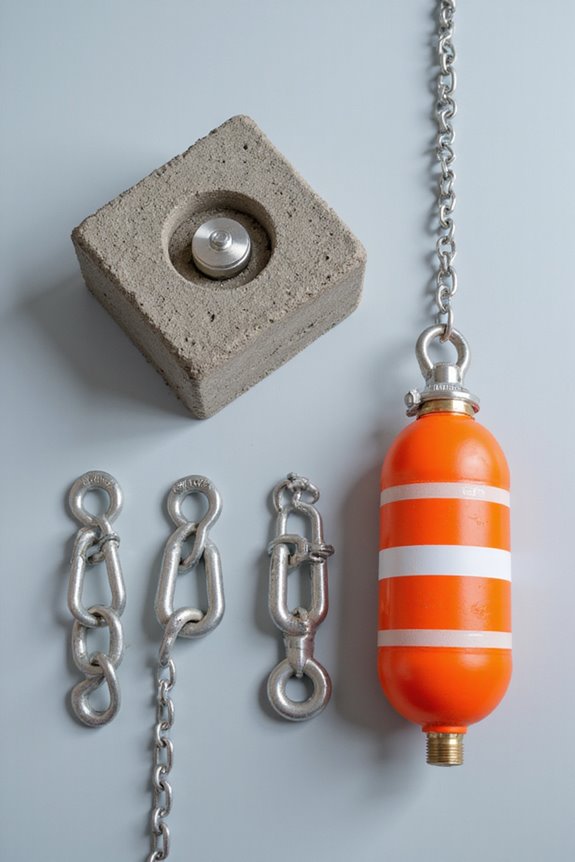
Let’s roll up our sleeves and prepare the gear that’ll hold our mooring buoy safely in place. First, selecting the right mooring hardware is essential—whether fixed or pass-through kits, quality and corrosion resistance matter. We’ll gather shackles, lock nuts, swivels, and pendant lines, all built to withstand the elements without letting us down. Now, anchor selection? That’s where knowing your seabed rocks or sifts comes in handy. Soft bottoms might call for Manta-Ray anchors, while rocky ones need robust stainless steel pins, drilled deep for a snug fit. Drilling and cementing are jobs for certified divers and surface crews working as a tight team. This prep guarantees our mooring block stays put, ready to support the buoy and whatever floats your boat!
Types of Mooring Systems and Their Applications
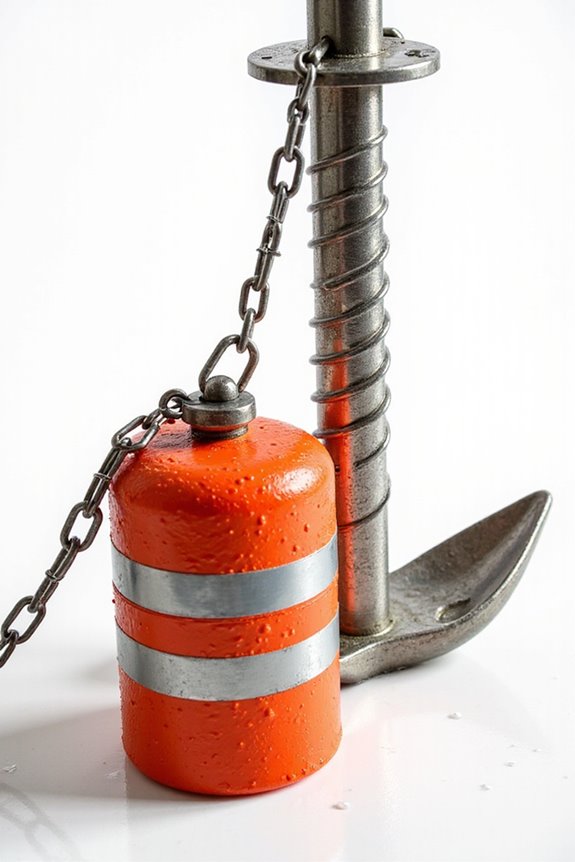
There’s more than one way to secure a boat, and mooring systems come in all shapes and sizes to fit different needs. When we talk about mooring types, options like catenary systems are great for shallow waters, while semi-taut systems handle deepwater environments better. Taut leg moorings resist wind and current effectively, and spread moorings distribute forces across multiple anchors for stability. Wondering where all this fits? System applications vary widely—from offshore oil operations using single-point moorings to recreational boating favoring inexpensive polypropylene lines. Military uses often call for high-strength HMPE lines. By understanding these mooring types and system applications, we can choose the right setup that keeps our vessels safe and snug, no matter where we sail or dock. After all, isn’t that the goal?
Site Selection and Environmental Assessment
Choosing the right mooring system is only half the battle; picking where to put it makes all the difference between a smooth anchoring experience and a frustrating one. When we talk about site selection, thorough site analysis is key. We need to avoid busy shipping lanes, steep slopes, and areas with strong currents—a bit like sidestepping bad traffic, right? Plus, environmental impact matters. We don’t want to damage coral reefs or disrupt marine habitats, so careful seabed evaluation is essential. Checking the substrate—whether it’s solid bedrock or sandy muck—helps us pick the best spot. And let’s not forget regulatory rules; they keep us legal and safe. Ultimately, smart site assessment makes mooring installation both eco-friendly and hassle-free for everyone involved.
Installation Process: Step-by-Step Guide
Before we immerse ourselves in the actual mooring installation, getting our equipment and materials prepped right is essential—it’s like packing the perfect toolkit before a big project. We start by confirming equipment specifications: heavy ground chains, buoy buoyancy rated just right with hard plastic shells, and strong nylon pennant lines with chafe gear to prevent wear. Next, the installation procedures unfold—experienced divers drill and cement the anchor pin, making sure it fits securely. Then we attach the heavy chain to the anchor, thread the buoy, and connect the pennant line with sturdy splices and shackles, adding stopper rings to protect the buoy core. It might sound like a lot, but following these steps keeps everything safe and sturdy. Ready to immerse ourselves? Let’s do this together!
Securing and Safety Measures During Installation
While it might be tempting to rush into setting up your mooring buoy, taking the time to focus on securing and safety measures is what really keeps things smooth and safe for everyone involved. We always start by reviewing safety protocols—checking equipment like shackles, lines, and the buoy itself for any wear or damage. You know, it’s like a pit stop before a race; we don’t want any surprises out there. Approaching the buoy carefully, with clear roles assigned to each crew member, helps avoid tangled lines or sudden jerks. And hey, don’t skip those emergency drills! Practicing quick responses to unexpected situations isn’t just good sense—it’s a lifesaver. After all, safety first means everyone gets to enjoy the water worry-free.
Maintenance Strategies for Mooring Buoys
Since mooring buoys often brave harsh conditions day in and day out, keeping up with maintenance isn’t just a good idea—it’s essential. We need to stick to a consistent inspection frequency, checking the buoy, shackles, and through-lines regularly—quarterly for wear, with monthly spot checks for anchor movement if possible. Buoy maintenance means more than just a quick look; cleaning off marine growth and protecting lines from chafe extends their life. Ever wonder how long your shackles last? Replace pins annually and stay ahead of wear to avoid surprises. Keeping detailed records helps us track all this, ensuring our moorings stay safe and reliable. Together, this routine keeps the system strong, avoids costly failures, and keeps us all anchored in reliability.
Ensuring Compliance With Environmental and Regulatory Standards
Getting authorization for mooring buoy installations might feel like maneuvering through a bureaucracy maze, but it’s an essential step we can’t skip if we want to keep everything above board. We need to navigate regulatory frameworks involving local governments, state agencies like DFW or DNR, and federal bodies such as the US Army Corps of Engineers. These rules aren’t just paperwork hurdles—they protect sensitive marine habitats by guiding buoy locations and installation methods. By embracing environmental stewardship through proper permits and thoughtful site choices, we reduce damage to seagrass beds and coral reefs. Regular inspections ascertain our moorings stay safe and compliant, preventing unexpected harm. So, while the red tape may seem tangled, it’s really about being responsible caretakers of our waters—don’t we all want to be part of that?
Frequently Asked Questions
How Do Weather Conditions Affect the Choice of Mooring Buoy Design?
It is understood that weather patterns hugely impact buoy materials and design choices. Together, we prioritize durability and adaptability to harsh conditions, ensuring our moorings withstand storms and currents, keeping us all connected safely on the water.
What Tools Are Needed for Underwater Inspections of Mooring Systems?
We like to say we explore unseen domains together using advanced underwater sensors and proven inspection techniques. With drones, divers, and precise tools, we guarantee mooring systems stay reliable, keeping us all connected safely beneath the waves.
Can Mooring Buoys Be Used for Temporary Anchoring During Events?
Yes, mooring buoys are ideal for temporary anchoring during events. They simplify event logistics, helping us create a safe, organized space where we all feel connected and secure on the water together.
How Do You Dispose of Old or Damaged Mooring Chains Responsibly?
Just like knights recycling old armor, we embrace chain recycling to cut environmental impact. Together, let’s guarantee careful handling, legal disposal, and promoting reuse—protecting our waters and strengthening our community’s responsibility.
Are There Specific Training Certifications Required for Mooring Buoy Installers?
It is understood certification programs are essential for mooring buoy installers to meet installation standards. Joining this skilled community means mastering diving and safety skills, ensuring we all uphold quality and protect our shared waterways together.