As an Amazon Associate, we earn from qualifying purchases. Some links may be affiliate links at no extra cost to you. Although our opinions are based on curated research, we haven't used these products. Articles generated with AI.

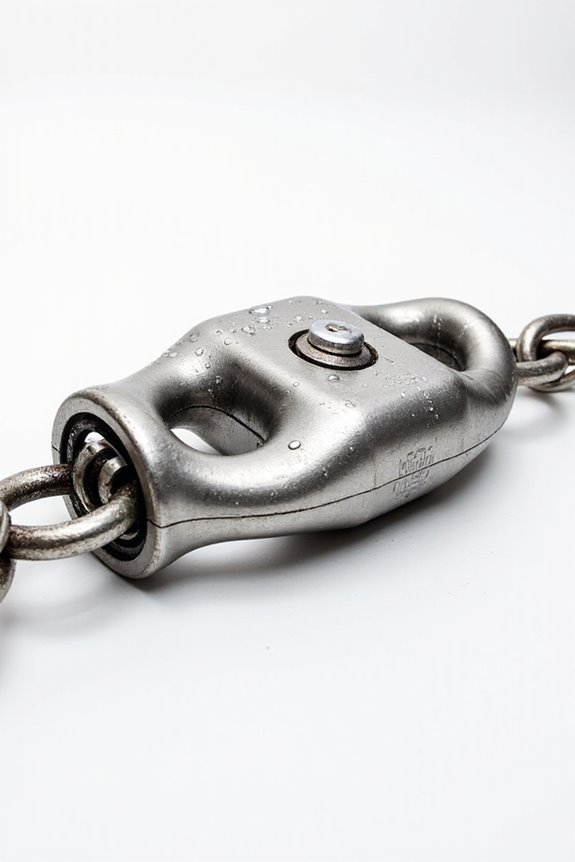
Understanding Swivels: Ensuring Maximum Rotation Freedom

When we talk about swivels, we’re really focusing on how to get smooth, unrestricted rotation without things getting stuck or wearing out. It’s about balancing degrees of freedom—usually rotational movement around an axis—while controlling friction and wear with good materials and smart design, like ball bearings or triple seals. Curious how engineers keep these pivots spinning freely in tough conditions? Stick with us, and you’ll find out how clever tweaks release maximum swivel performance.
Key Takeaways
- Swivel degrees of freedom define its independent rotational movements around specific axes to ensure controlled motion without binding.
- Utilizing revolute joints and double swivels enhances full 360-degree rotation and combines multiple axes for greater freedom.
- High-precision bearings and carefully designed clearances reduce friction and allow smooth, unrestricted swivel movement.
- Material selection, including corrosion-resistant metals and compatible seals, minimizes wear and ensures consistent rotational performance.
- CAD simulations and design optimizations prevent binding and enable maximum rotation freedom tailored to application needs.
Fundamentals of Swivel Mechanisms and Degrees of Freedom
You may be interested

When we look at swivels, we’re really diving into the world of degrees of freedom—sounds fancy, right? Simply put, degrees of freedom tell us how many independent movements a swivel can make. Swivel mechanics mainly focus on rotational movements—think turning, tilting, or spinning—but they’re also careful about motion constraints. These constraints limit how a swivel moves so it doesn’t wiggle uncontrollably or break. For example, a swivel might allow rotation around one axis but block translation along another. It’s like giving just enough room for freedom without chaos. Understanding these motion constraints helps us create swivel systems that move precisely—and smoothly—so they perform exactly how we want. Curious how this all works in practice? Stick around; there’s more to explore!
Types of Swivels and Their Design Characteristics
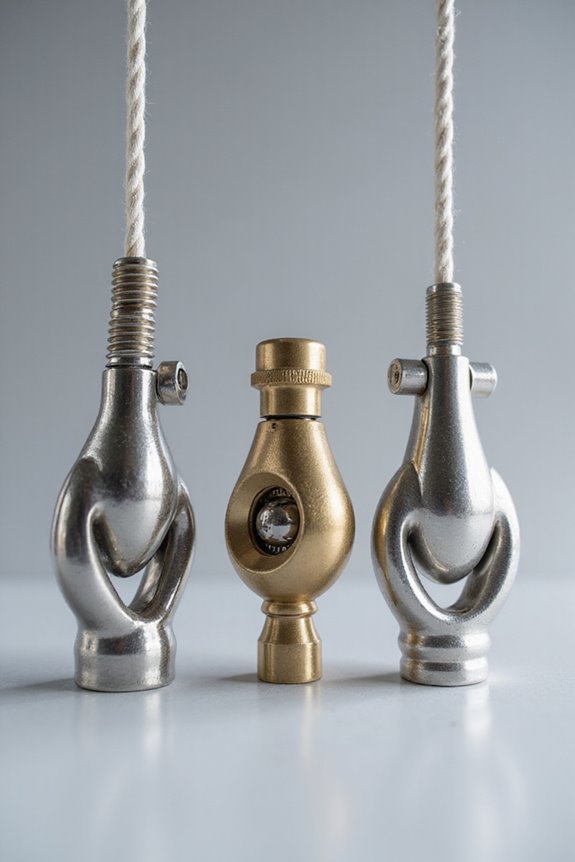
There are quite a few swivel types out there, each designed with specific features to handle different tasks and environments—kind of like how shoes vary for hiking, running, or dressing up. When we look at swivel joint types, options like O-ring, V-ring, and split flange swivels stand out. O-rings favor compactness and smooth rotation, whereas V-rings pack triple seals for tougher jobs and longer seal life. Split flange designs cleverly balance those traits and make maintenance easier. Then, consider straight-through, right-angle, and offset swivels—each shifts fluid flow differently to fit space and routing needs. Design features like ball bearings and spring-loaded seals often pop up to reduce torque drag, improving rotation freedom. So, picking the right swivel really depends on where and how you want to spin things around. Fun, right?
Influence of Materials on Rotation Performance
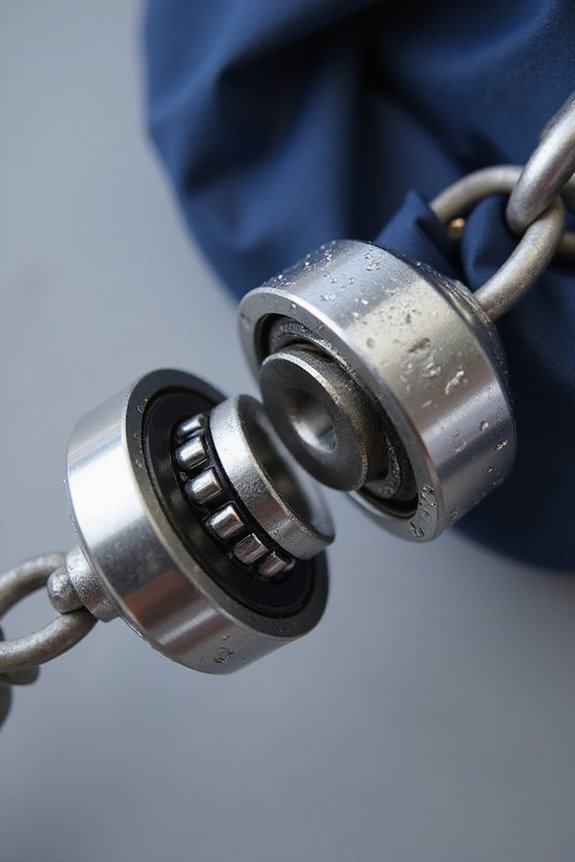
Materials play a huge role in how smoothly a swivel rotates and how long it lasts—think of it as picking the right dance partner to keep things flowing effortlessly. Our metal selection, from stainless steel’s corrosion resistance to specialty alloys like Hastelloy, sets the stage for durability and smooth rotation even under tough loads. But it’s not just about metal; seal compatibility is equally vital. Choosing the right seal material—whether nitrile, PTFE, or advanced elastomers—ensures reduced friction and keeps everything spinning without a hitch. When seals match operating conditions perfectly, they prevent slippage and wear, letting the swivel glide freely. So, by combining smart metal choices with compatible seals, we create swivels that really know how to keep their cool—smooth, stable, and built to last.
Techniques for Achieving Maximum Rotation Freedom
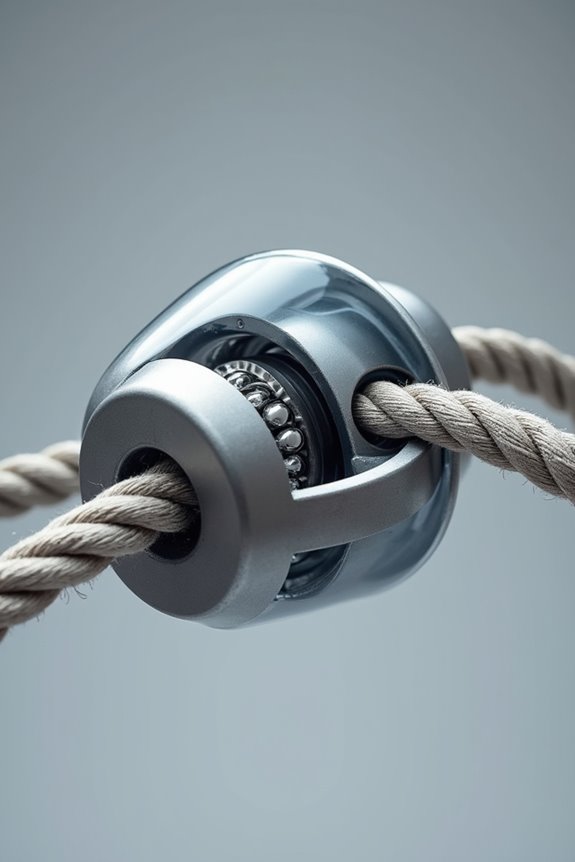
Since every swivel is all about smooth, limitless rotation, nailing the right design and techniques is key to making that happen. We start with design optimization—carefully shaping parts to avoid binding and using CAD simulations to foresee any pesky interference. Joint configurations play a big role too: employing revolute joints that spin a full 360 degrees, sometimes stacking axes with double swivels for extra freedom. Ever heard of open chain linkages? They sum up joint movements to boost mobility, unlike closed chains that need precise calculations to stay both flexible and stable. And it doesn’t stop there—high-precision bearings reduce friction, while thoughtful clearances in the joint keep things turning freely. Really, combining these approaches lets us enjoy rotation as carefree as a lazy Sunday spin.
Applications Demanding High Degrees of Rotation
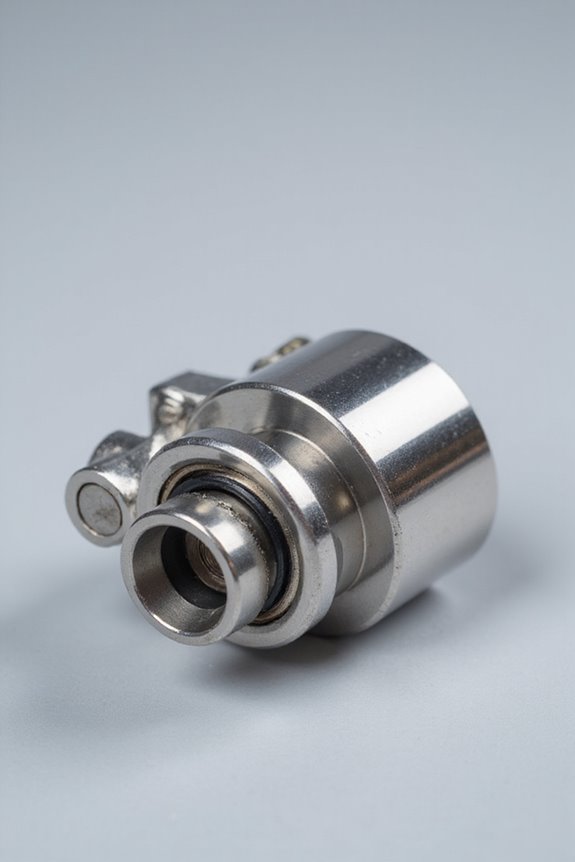
When we master those smooth, limitless rotations in swivel design, it’s natural to wonder where such freedom really makes a difference. Think about robotic applications—arms need multiple degrees of rotation to mimic human dexterity for welding or precise assembly. In aerospace systems, swivels keep sensors and antennas aligned, even during wild flight maneuvers. Surgical robotics demand fine rotational control too, allowing surgeons to navigate tight spaces with minimal fuss, improving patient outcomes. And don’t forget cinematography techniques—camera gimbals rely on smooth, multi-axis swivels to capture steady, fluid shots no matter how fast the action gets. So, whether we’re building robots, flying planes, performing surgeries, or filming blockbuster scenes, high rotation freedom isn’t just nifty—it’s absolutely essential. Who knew swivels could be our unsung heroes?
Managing Friction and Wear in Swivel Joints
Although swivel joints might seem simple at first glance, managing friction and wear inside them is quite the balancing act—and it’s something we certainly want to get right. We understand friction reduction is key; too much friction means higher torque and faster wear, which nobody wants. That’s why choosing the right lubricants—think greases and oils tailored for specific loads and speeds—matters so much. We also focus on wear optimization by selecting wear-resistant materials and applying surface treatments like nitriding or DLC coatings, which keep things running smoother longer. Ever wonder how we keep track? Tools like tribometers and multi-axis sensors help us measure friction and wear progression accurately. Together, these efforts extend joint life, keeping your swivels spinning freely without the extra hassle. Sound like a small fix? Not quite—it’s the science behind smooth motion.
Innovations in Precision Swivel Technologies
Friction and wear management are just the starting points; today’s precision swivels are stepping into a whole new era. Thanks to sensor integration, swivels can now “talk” to us—monitoring rotation speed, temperature, and even vibrations in real time. This means we catch problems before they become headaches, boosting reliability like never before. But it’s not just about smart tech; customization solutions play a huge role too. We can tailor swivels to fit unique environments and specific mounting needs, making them ideal for everything from robotics to harsh industrial settings. Plus, advanced materials and 3D printing let us build lighter, stronger swivels that last longer with less upkeep. So, ready to embrace swivels that think, adapt, and fit you like a glove?
Frequently Asked Questions
How Do Temperature Changes Affect Swivel Rotation Freedom?
Let’s cheer for thermal expansion and its sneaky dance—materials stretch, making swivels freer! But don’t get too comfy; material flexibility can betray us, tightening up when cold. Together, we weather these twisty temperature tantrums!
What Maintenance Schedules Optimize Swivel Lifespan?
We believe maintenance tips like weekly checks for heavy use, thorough annual inspections, and tailored lubrication schedules are key for lifespan extension. Together, we’ll keep swivels running smoothly and safely, strengthening our shared commitment to reliability.
Can Swivels Be Customized for Underwater Applications?
Like a diver blending with the ocean, we customize swivels using underwater materials and pressure resistance features. Together, we guarantee they’re durable and reliable, so you feel connected and confident in every subaqueous adventure.
How Do Electromagnetic Fields Impact Swivel Operation?
We understand electromagnetic interference can disrupt swivel precision, but magnetic torque from controlled fields can actually enhance rotation smoothness. Together, they challenge us to design swivels that balance interference with electromagnetic forces for peak performance.
What Are Common Failure Modes Unique to Swivel Joints?
It is understood that wear and tear and load stress often cause swivel joint failures like erosion, fatigue cracking, seal leaks, and misalignment. Together, let’s focus on maintenance and proper installation to keep our swivels running safely and smoothly.