As an Amazon Associate, we earn from qualifying purchases. Some links may be affiliate links at no extra cost to you. Although our opinions are based on curated research, we haven't used these products. Articles generated with AI.

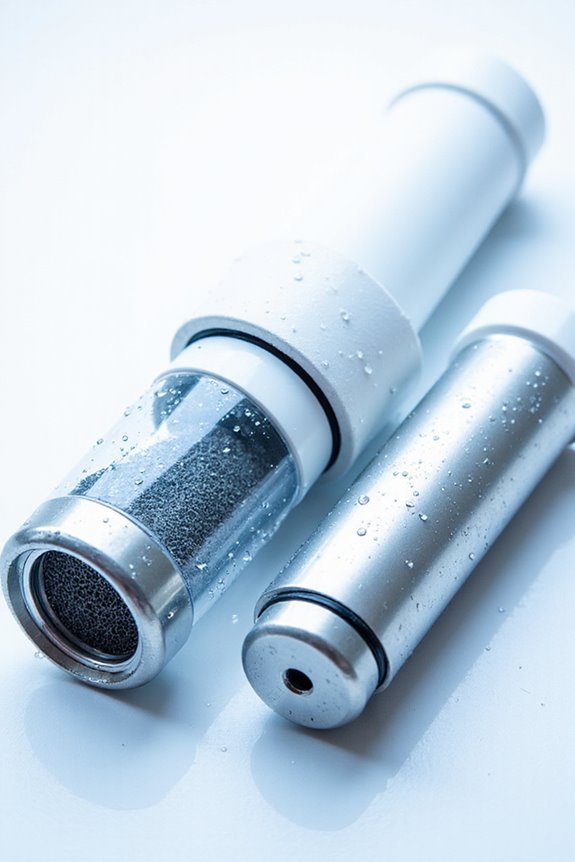
Water Filters Replacement for Boats: Essential Guide

When we’re out on the water, swapping out our boat’s water filter might not seem thrilling, but it’s essential for sipping clean, fresh water and avoiding funky tastes or slow flow. We look for signs like reduced water pressure or discoloration and follow manufacturer tips, usually replacing filters seasonally. From carbon to sediment filters, picking and installing the right type with care prevents leaks and clogs. Curious how to keep that system shipshape? You’re in the right place.
Key Takeaways
- Replace boat water filters when water flow slows, taste changes, or visible clogging occurs to maintain clean and safe onboard water supply.
- Use manufacturer recommendations and consider water quality and usage frequency to determine an optimal replacement schedule.
- Turn off water supply and relieve pressure before removing the old filter to ensure a safe and clean replacement process.
- Clean the filter housing and apply Teflon tape on new filter connections to prevent leaks and ensure proper installation.
- Conduct regular visual inspections and maintenance to catch issues like sediment buildup or unusual noises early and prevent system damage.
Types of Water Filters Suitable for Boats
You may be interested

Even though picking the right water filter for your boat might not sound thrilling, it’s actually pretty important if you want clean, fresh water onboard. We all know how unpleasant cloudy or chemical-tasting water can be after a day at sea. Carbon filters offer great benefits—they tackle chlorine, VOCs, and improve taste and odor, making each sip much better. Then there are pleated filters, which bring advantages like excellent particle capture and protecting your system’s pump, especially if you’re running reverse osmosis. Other options include meltblown for sediment and submicron filters for bacteria removal, giving you choices tailored to your needs and space. So, whether you love simplicity or a high-tech setup, knowing these types helps us pick the right filter without feeling overwhelmed.
Recognizing When to Replace Your Boat’s Water Filter
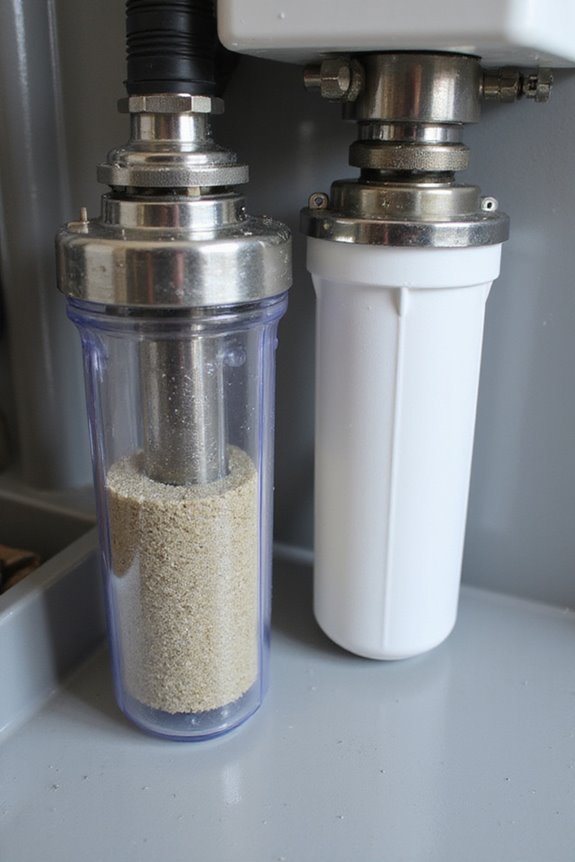
Since water filters work non-stop on our boats, it’s pretty important to know when they’re ready for a swap. How can we tell? Well, if you notice water flow slowing down or a funky taste and odor, that’s a red flag about filter performance. Checking pressure drops or using digital flow sensors can give us real-time clues, making maintenance tips easier to follow. Regular visual inspections help too—clogged or discolored filters usually need replacing. And don’t forget, scheduled maintenance isn’t just a suggestion; it’s a key part of keeping water clean and systems clog-free. Together, by paying attention to these signals, we guarantee safe, fresh water aboard without surprise filter failures. Trust me, your boat—and crew—will thank you!
Optimal Replacement Frequency for Boat Water Filters
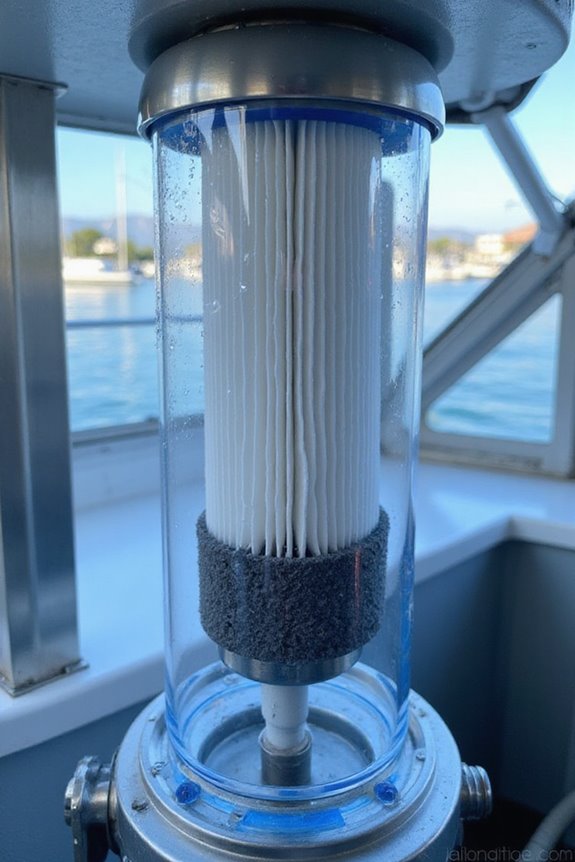
While we might wish our boat’s water filters could just work endlessly, the truth is they need replacing on a pretty regular schedule to keep everything flowing smoothly. Replacement schedules depend largely on filter lifespan, which varies with how much water you process and the conditions you face—rough seas or murkier water might shorten that lifespan. We should pay attention to the filter’s performance, like a drop in flow or a funny taste, as signals to swap it out. Seasonal storage also means filters can harbor bacteria, so renewing them before a trip isn’t a bad idea. Following manufacturer guidelines gives us a solid baseline, but don’t hesitate to adjust replacement schedules based on your boat’s unique usage. After all, staying on top of this keeps our onboard water safe and worry-free.
Step-by-Step Process for Replacing Boat Water Filters
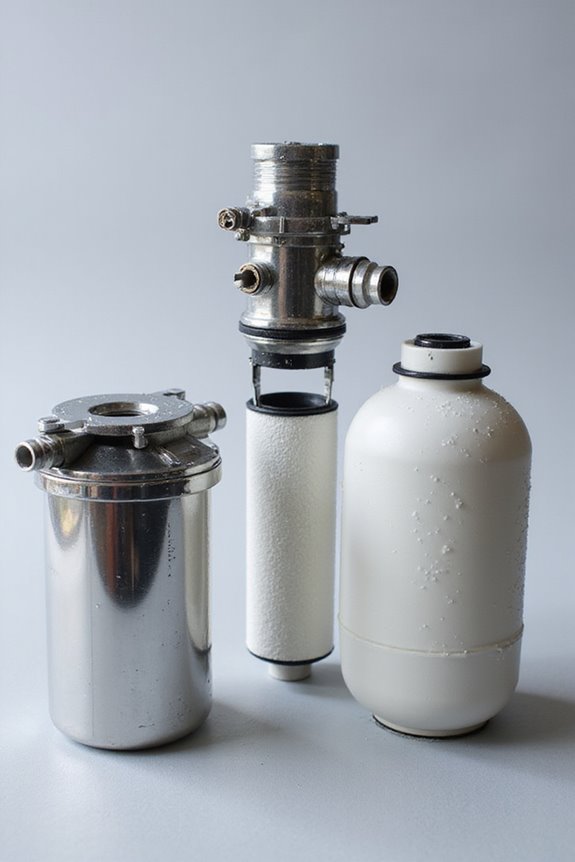
Now that we’ve figured out when to swap out those boat water filters, let’s get our hands dirty with how to actually do it. First, we turn off the water supply and relieve pressure — safety first, right? Next, we locate the old filter, disconnect the inlet and outlet pipes with a wrench, and carefully remove that tired filter. Don’t forget to clean the filter housing if you’re reusing it! For filter installation, we mount the new housing, apply Teflon tape to connections to avoid leaks, and install the fresh cartridge. Reconnecting those pipes snugly is key to a happy water system. Finally, we turn the water back on, flush the system, and check for leaks. Easy steps that keep our boat’s water tasting great and our crew smiling!
Best Practices for Installing Water Filters on Boats
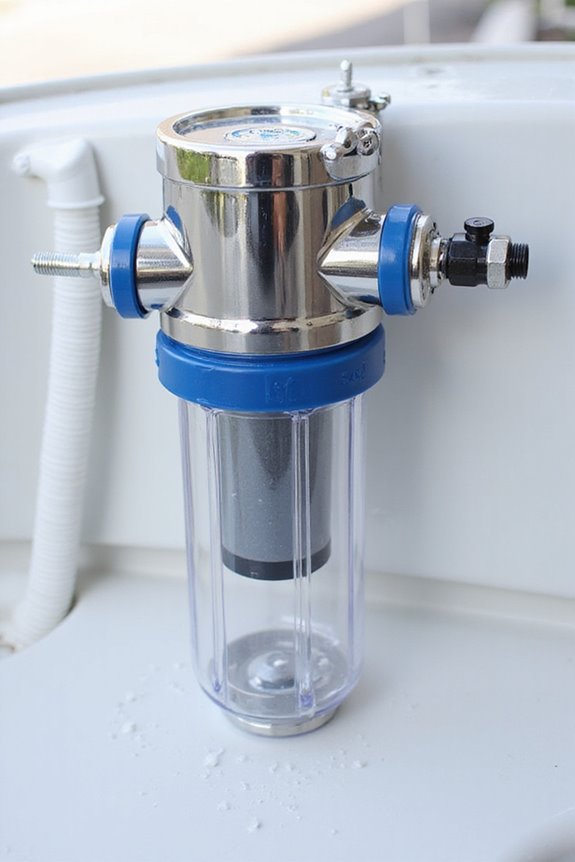
Before we plunge into tools and fittings, let’s talk about the best way to set ourselves up for success when installing water filters on boats. First off, filter compatibility is key—choosing a system that matches our water source and plumbing prevents headaches later. Installation tips? Keep the filter within easy reach for future changes; no one wants to wrestle with a filter in a tight crawl space. Also, make sure the system fits the boat’s space and flow rate demands, whether it’s a compact filter or a multi-stage setup. Let’s not forget mounting securely with brackets to avoid any fishing drama caused by leaks or loose fittings. Following these basics makes installation smoother, and we spend less time fixing mistakes and more time enjoying that fresh, clean water on board.
Maintaining Water Filter Systems Post-Replacement
Since replacing our boat’s water filter system is just the starting point, keeping it in top shape afterward is just as important—and honestly, not that hard if we stay on top of it. Regularly checking filter performance by monitoring flow rates and pressure drops helps catch issues early. Don’t we all forget stuff sometimes? That’s why setting maintenance reminders is key—it keeps us from missing scheduled cleanings or replacements every 6 to 12 months. We should also inspect for leaks and corrosion, plus sanitize the system every few months to prevent nasty buildup. Testing water quality regularly confirms our efforts work. Keeping detailed logs feels a bit like being water filter detectives, but hey, it’s worth it to sip clean water worry-free on the waves.
Troubleshooting Common Water Filter Issues on Boats
Water filters are like the unsung heroes of our boat’s water system, quietly working to keep our drinking water safe and clean. But when flow slows or taste changes, what’s going on? Let’s tackle common filter issues together. Often, clogging causes include sediment buildup, that annoying black goo, or even mineral deposits. Regular filter maintenance—cleaning and timely replacement—helps prevent these blockages. Ever noticed sluggish water flow or pump noises? Those are red flags telling us it’s time for a checkup. Visual inspections can reveal debris or damage, and adjusting filter placement might boost performance. If problems persist despite our efforts, it’s smart to consult a pro. After all, our goal is clear, fresh water—simple as that, right?
Impact of Water Quality on Filter Lifespan
Although we often focus on the filter itself, the quality of the water flowing through it plays a huge role in how long our filters last. When water is loaded with filter contaminants like heavy metals, sediments, or bacteria, the filter’s workload increases considerably, which means it clogs faster and its filtration efficiency drops. Ever noticed your water flow slowing down surprisingly fast? That’s likely your filter struggling against too many impurities. Plus, extreme pH levels or irritating chemicals can even wear down filter materials prematurely. So, keeping an eye on water source quality isn’t just smart—it’s essential if we want our filters to perform well and last longer. After all, no one wants to replace a filter more often than necessary!
Essential Tools and Supplies for Filter Replacement Onboard
Before diving into filter replacement, let’s talk tools and supplies—you can’t change what you don’t have, right? When it comes to filter wrench selection, grabbing the right one matters big time. Strap wrenches can be handy but forget them in tight spots; a capped style or specialized pliers often save the day. Don’t overlook maintenance kit essentials—these kits bundle prefilters, gaskets, and even UV lamps to keep our systems humming smoothly. Stock up on spares like O-rings and housing gaskets, too; skipping those can lead to leaks or bigger headaches. Toss in some marine-grade gloves and a fill funnel for good measure. Together, these tools and supplies make filter changes less of a chore—and more of a team effort we can all get behind.
Frequently Asked Questions
Can I Use Homemade Water Filters on My Boat?
We understand you’re curious about homemade filter effectiveness, but we’ve found boat safety concerns make them risky. Together, let’s prioritize reliable filtration to keep everyone safe and enjoying our water adventures confidently.
How Do Water Filters Affect Boat Plumbing Warranties?
Like guarding Achilles’ heel, it is understood that neglecting filter maintenance can weaken warranty claims on your boat’s plumbing. Let’s stick together, keeping filters up to date to protect our warranties and guarantee smooth sailing ahead.
Are There Eco-Friendly Options for Disposing of Used Boat Filters?
We believe using eco friendly materials and participating in filter recycling programs builds a community that cares. Together, we can properly dispose of boat filters through local centers and manufacturer initiatives, protecting our waters and planet.
What Should I Do if My Boat’S Water Tastes Metallic After Filtering?
When we noticed a metallic taste after filtering, we checked for corrosion and tested water pH. Together, we can prioritize filter maintenance, replace corroded parts, and stabilize pH to enjoy clean, great-tasting boat water again.
Can a Water Filter Be Used to Desalinate Seawater on a Boat?
We can’t use regular water filters for desalination because of filter limitations; effective desalination methods like reverse osmosis are essential to remove salt from seawater. Together, let’s explore these advanced solutions for fresh boat water.