As an Amazon Associate, we earn from qualifying purchases. Some links may be affiliate links at no extra cost to you. Although our opinions are based on curated research, we haven't used these products. Articles generated with AI.

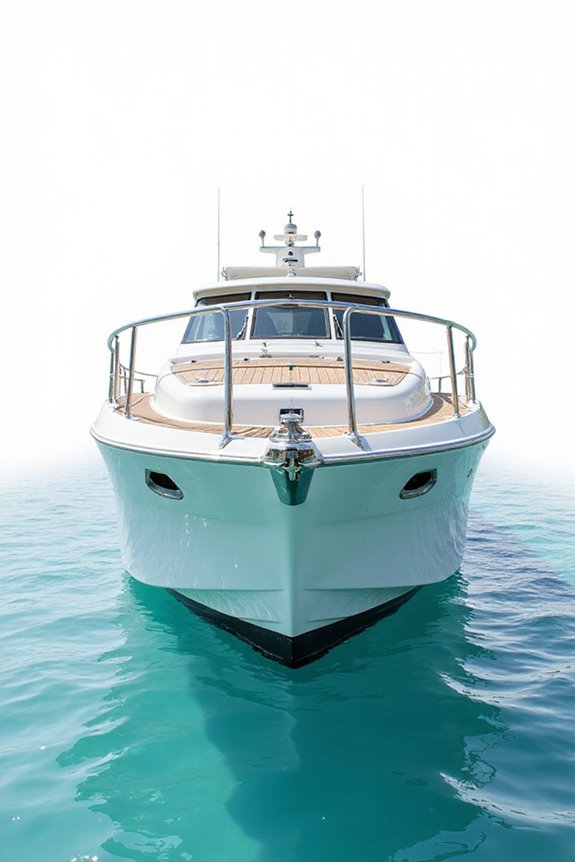
Understanding Yacht Depreciation Rates

When we talk about yacht depreciation, think of it like your new car’s “new boat penalty”—about 10% to 20% value drops in the first year. After that, yachts lose around 6% to 8% yearly, adding up to 30-40% over a decade, depending on brand, maintenance, and saltwater wear. Fancy upgrades and good upkeep slow value loss, while market shifts can shake things up. Curious how brands and seasons play into this? We’ve got you covered.
Key Takeaways
- Yachts typically depreciate 10% to 20% in the first year due to the “new boat penalty.”
- Depreciation stabilizes to about 6% to 8% annually after the first year for several years.
- By year five, total depreciation usually reaches 20% to 30%, and 30% to 40% by year ten.
- Brand reputation and consistent maintenance significantly influence the yacht’s resale value and depreciation rate.
- Saltwater exposure and market conditions, including seasonal demand and economic shifts, affect depreciation levels.
Factors Influencing Yacht Depreciation
You may be interested



While it might seem like yachts simply lose value over time, there’s actually a mix of fascinating factors at play that influence how fast and how much they depreciate. We all want our yachts to hold their value, right? First off, the brand really matters—premium builders like Feadship or Azimut typically offer better resale performance. Then, there’s yacht accessories and upgrades; modern electronics and stylish touches can make a big difference when it’s time to sell. Of course, where and how you use your yacht impacts depreciation—saltwater wear isn’t exactly our friend. Smart resale strategies, like proper maintenance and timely upgrades, help slow value loss. Investing in corrosion-resistant gear not only enhances the longevity of your yacht but can also boost its resale value. So yes, it’s more than just a slow decline—it’s a dynamic balance we can manage with the right moves.
First Year Depreciation Trends for Yachts
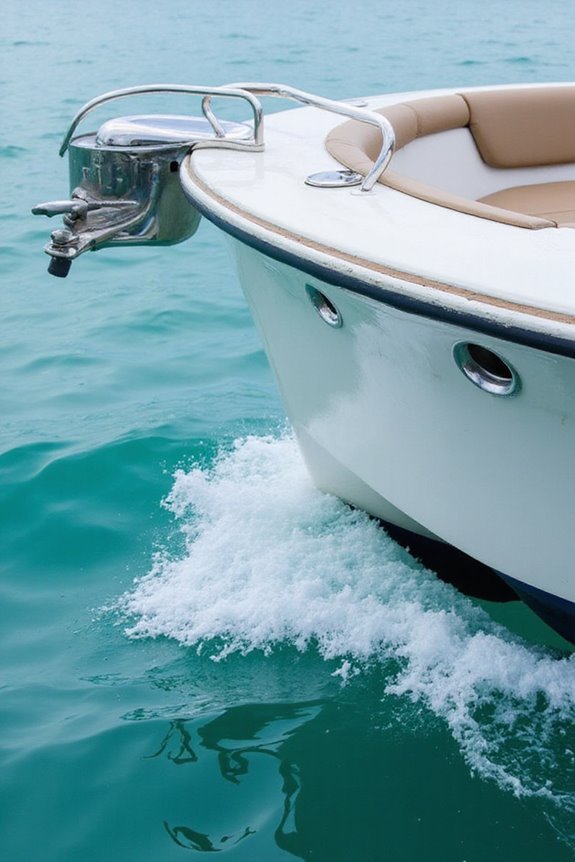
We’ve touched on how factors like brand and maintenance affect yacht value, but let’s zoom in on that steep first drop in worth—the so-called “new boat penalty.” It’s no secret that yachts, just like cars, take the biggest hit right after you buy them, often losing between 10% to 20% of their value in the very first year. This initial depreciation can feel like a punch to the wallet, but knowing this is half the battle. So, what can we do? Smart resale strategies, like buying used or focusing on brands that hold value, help soften the blow. Remember, market conditions and yacht type also shift that first-year loss. Understanding this trend? It’s our secret weapon to feeling confident in yacht ownership and investment planning.
Depreciation Patterns Over Five and Ten Years
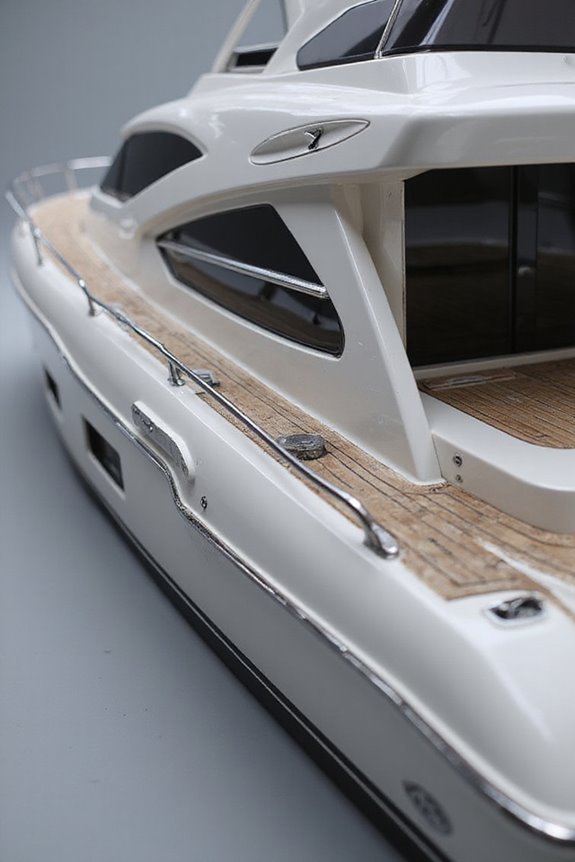
As we track a yacht’s value over five and ten years, the picture starts to get more interesting beyond that initial steep drop. After losing 10% to 15% of value in the first year, yachts experience depreciation trends settling at about 6% to 8% annually over the next four years, leading to a 20% to 30% loss by year five. Curious about the long term value? By year ten, total depreciation typically reaches around 30% to 40%, with the rate slowing down considerably. Brand reputation and how well the yacht is cared for really come into play then, shaping resale value. So while yachts aren’t exactly investments, understanding these patterns helps us navigate ownership with confidence. Isn’t that a relief?
Impact of Maintenance on Yacht Value
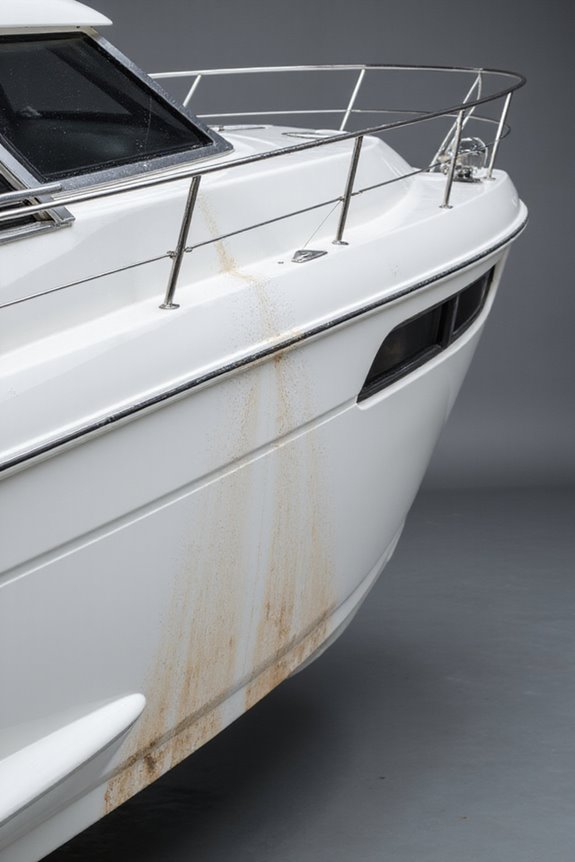
Because yachts are complex machines that face both saltwater and sun, keeping up with maintenance isn’t just about looks—it’s about protecting your investment. We all know how saltwater can be a relentless enemy, so sticking to regular checks and logging every repair in maintenance logs isn’t just busywork; it’s your secret weapon. These logs build trust with buyers, showing you’ve been hands-on and proactive. Plus, smart resale strategies include scheduling professional inspections to catch issues early and keep your yacht sailing smoothly in buyers’ eyes. A well-kept yacht doesn’t just look better—it sells faster and often for a higher price. So why not treat maintenance like a savvy investment? It’s the best way to lessen depreciation and keep your yacht’s value afloat.
Brand Influence on Resale Prices
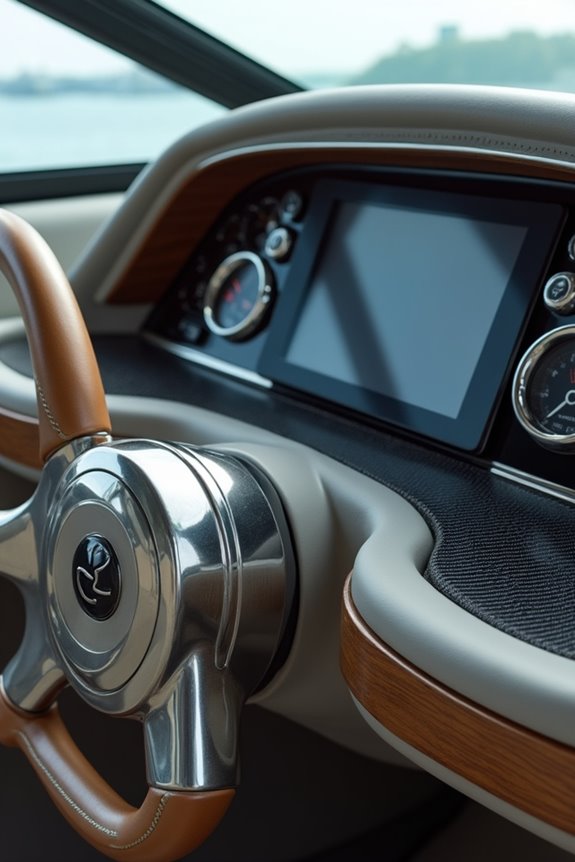
Maintaining your yacht well definitely helps keep its value from sinking, but have you ever thought about how much the brand itself influences resale prices? It turns out brand reputation plays a major role in what buyers are willing to pay later on. Take Feadship, for example—they’re known for luxury, craftsmanship, and exclusivity, which keeps their yachts in high demand. Then there’s Viking, whose design innovation really shines in the sportfishing world, helping their boats hold value. Even brands like Sunseeker and Princess combine style with modern tech, boosting resale value through strong recognition and loyal followings. So, while upkeep is key, aligning yourself with a brand that’s respected and innovative can make a big difference when it’s time to sell or trade up. Who wouldn’t want to be part of that club?
Market Conditions Affecting Yacht Depreciation
While we all hope our yachts hold their value like a timeless treasure, the reality is that market conditions can throw some serious waves into the depreciation equation. Demand fluctuations, especially seasonal ups and downs, play a big part—buyers tend to show more interest when the sun shines bright and marinas buzz. Geographic influences also weigh heavily; a yacht in a hot boating hub usually fares better in resale than one tucked away somewhere less popular. Plus, global economic shifts can change how folks spend on luxury items like yachts, nudging prices up or down. So, staying tuned to these market rhythms helps us navigate depreciation smarter. After all, wouldn’t we all like our yachts to age like fine wine, not old sea boots?
Differences in Depreciation Among Yacht Types
Even if you’re new to the boating world, you’ve probably noticed that not all yachts lose their value at the same pace. Take sailboats and motor yachts, for example. Sailboat depreciation tends to be slower, thanks to their classic design and enduring appeal, which often makes them favorites among traditionalists and cruising enthusiasts. Motor yachts, however, can face faster depreciation—especially as engine technology and fuel efficiency evolve quickly, sometimes leaving older models in the dust. But it’s not just about type; high-performance boats often drop value faster due to shifting trends, while cruisers usually hold value better. So, when we compare sailboat depreciation to motor yacht depreciation, it’s clear that each has its quirks, and knowing these can help us make smarter buying or selling decisions. Who wouldn’t want to keep more of their investment afloat?
Economic Effects on Yacht Value Fluctuations
Because yacht values don’t float in a vacuum, we have to contemplate the broader economic waves that rock the market. Economic indicators like interest rates and consumer confidence play starring roles here. When confidence dips or borrowing costs rise, fewer buyers rush to the docks, easing demand and squeezing prices. Conversely, strong economies boost those same numbers, sending yacht values buoyant. But it’s not just local tides — global economic health and political shifts ripple through, affecting yacht prices worldwide. Supply chain hiccups and material costs? They’re like unexpected storms, adding pressure to pricing. So, when we watch these economic signs, we’re not just reading numbers — we’re tuning in to the market’s heartbeat, helping us navigate yacht value changes with a steadier hand. Who knew economics could be this nautical?
Frequently Asked Questions
How Do Customized Yacht Features Affect Depreciation Compared to Standard Models?
We’ve found that custom features can both boost or hurt resale value—it depends on appeal to niche buyers versus limiting the market. By caring for these features, we can help preserve value and feel confident together.
What Role Do Surveyor Reports Play in Final Resale Price Negotiations?
When it comes to resale, let’s cut to the chase—surveyor credibility and report accuracy give us the upper hand in negotiations. Together, we use these reports as solid proof, ensuring fair pricing and confident decisions.
How Does the Owner’s Retention Period Influence Yacht Depreciation Rates?
It is understood that owner expectations shift with retention duration; shorter ownership often means steeper depreciation, while longer retention lets depreciation slow, helping us feel more confident about value and fostering a shared sense of smart investment.
Are There Regional Differences in Yacht Depreciation Based on Local Market Trends?
Yes, regional markets impact yacht values considerably. When local demand is strong, depreciation slows, creating community confidence. We all benefit when we recognize these trends, making smarter decisions aligned with where yachting thrives.
How Do Broker Commissions Impact the Listing Price and Perceived Yacht Value?
It is understood broker commissions can feel like an ocean of costs, but they directly shape broker pricing and steer market perception. Together, we can navigate these to set a listing price that truly reflects your yacht’s value.