As an Amazon Associate, we earn from qualifying purchases. Some links may be affiliate links at no extra cost to you. Although our opinions are based on curated research, we haven't used these products. Articles generated with AI.

Understanding Marine Binoculars: A Magnification Guide

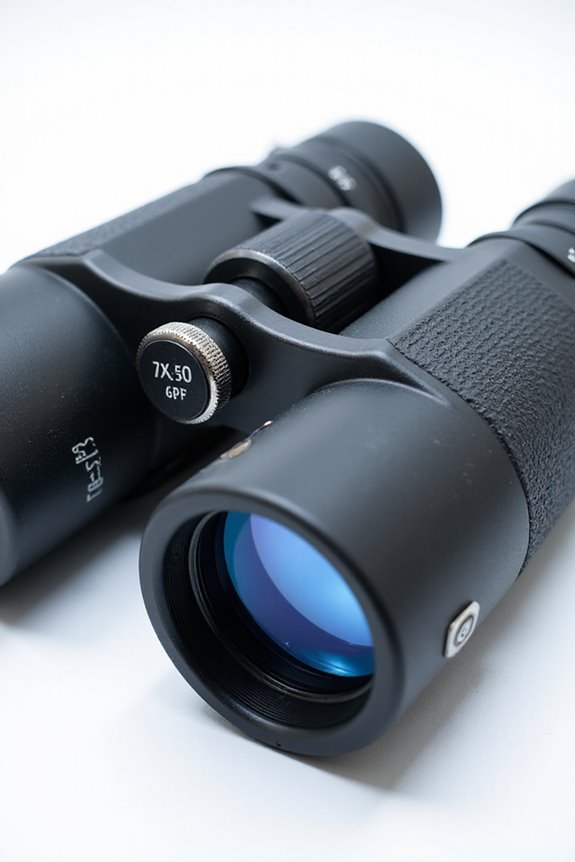
When we talk about marine binoculars, magnification—like that “7x” you see—means how much closer objects appear. Pair that with a 50mm lens, and you get bright, clear views even at dawn or dusk. But be cautious; go too high on magnification and the boat’s movements can turn your image into a shaky mess. Wondering how to balance zoom and stability for smooth sea spotting? Stick with us—we’ll unpack all you need to know.
Key Takeaways
- Marine binoculars commonly use around 7x magnification for a stable, clear, and detailed view on moving boats.
- Objective lens diameter, typically 50mm, balances brightness and weight for optimal marine observation.
- Larger exit pupils improve light transmission, crucial for low-light marine conditions like dawn and dusk.
- Higher magnifications increase image shake, so stabilization or moderate zoom is recommended for marine use.
- Additional features like compasses, rangefinders, and coated lenses enhance navigation and viewing quality at sea.
What Does Magnification Mean in Marine Binoculars?
You may be interested


Magnification is one of those terms we often hear tossed around when talking marine binoculars, but what does it really mean? Simply put, magnification basics tell us how many times closer an object appears compared to just using our eyes—like 7x in a 7×50 pair means seven times closer. But it’s not just about getting “closer”; magnification effects impact more than size. Higher magnification makes details pop but can also shake your view if you’re on a rocking boat. That’s why most marine binoculars stick to about 7x—it’s the sweet spot balancing clearer images and steady views. Plus, it gives you enough field of view to spot distant boats without feeling like you’re peering down a telescope. So, choosing magnification is about finding that comfy middle ground for our adventures on the water.
The Role of Objective Lens Diameter in Image Brightness
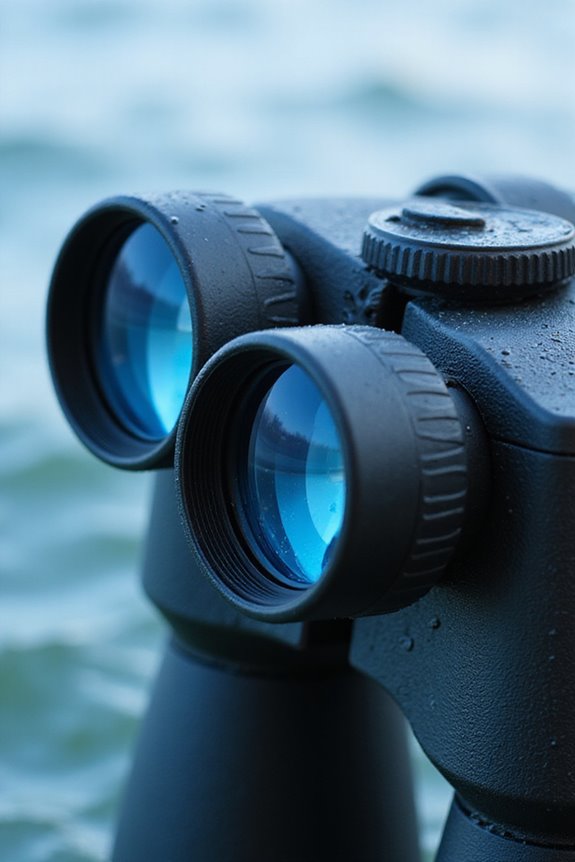
When it comes to marine binoculars, the objective lens diameter is kind of a big deal—it’s basically the size of the front lenses, measured in millimeters, and plays a huge role in how bright and clear things look through your binoculars. Larger lenses gather more light, improving light transmission and boosting image clarity, especially in low-light conditions like dawn or fog. For us sea lovers, 50mm lenses are popular since they strike a good balance between bright views and manageable size. But here’s the catch: bigger lenses mean heavier binoculars, which can get tiring on a rocking boat. So, while we want that crisp, bright image, we also need to keep comfort in mind. It’s like choosing between pizza size and your waistline—both matter!
Understanding Exit Pupil and Its Importance at Sea
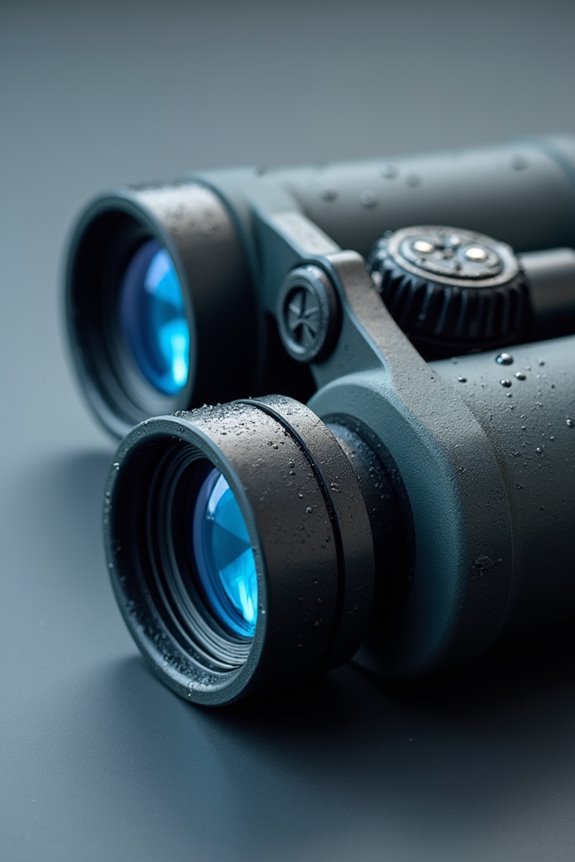
We’ve talked about how the size of those big objective lenses can brighten up your view at sea—but there’s another piece to the brightness puzzle called the exit pupil. Think of it as the diameter of the bright circle you see when you hold your binoculars about 30 cm from your eye toward a light source. This exit pupil controls the amount of light transmitted to your eyes, directly impacting how bright and clear your image is. At sea, especially during dawn or dusk, having a larger exit pupil means more light transmission — which can make a huge difference when visibility is low. And hey, if you’ve ever struggled with dim views that strain your eyes, getting this right feels like upgrading your binoculars’ superpower.
How Magnification Affects Image Stability on Water
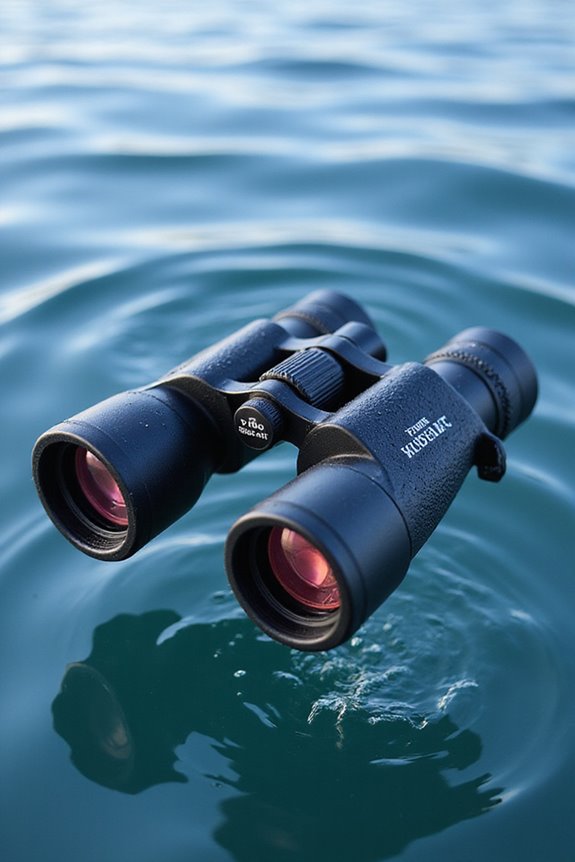
Although zooming in closer might sound like an instant win for spotting distant ships or marine wildlife, cranking up the magnification on your binoculars often turns into a shaky ordeal—literally. The higher the zoom, the worse the image shake becomes, especially on a rocking boat where every wave sends your view bouncing. Holding steady above 10x magnification is challenging without some aid. That’s where stabilization technology steps in, cleverly counteracting movement to give you a smoother picture. These image-stabilizing binoculars can handle higher zoom levels by reducing the annoying jitter caused by hand tremors and boat motion. So, if you crave crisp, steady views far beyond the shore, investing in IS binoculars is worth considering—otherwise, it’s better to keep magnification moderate and your viewing calm.
Balancing Magnification and Field of View for Navigation
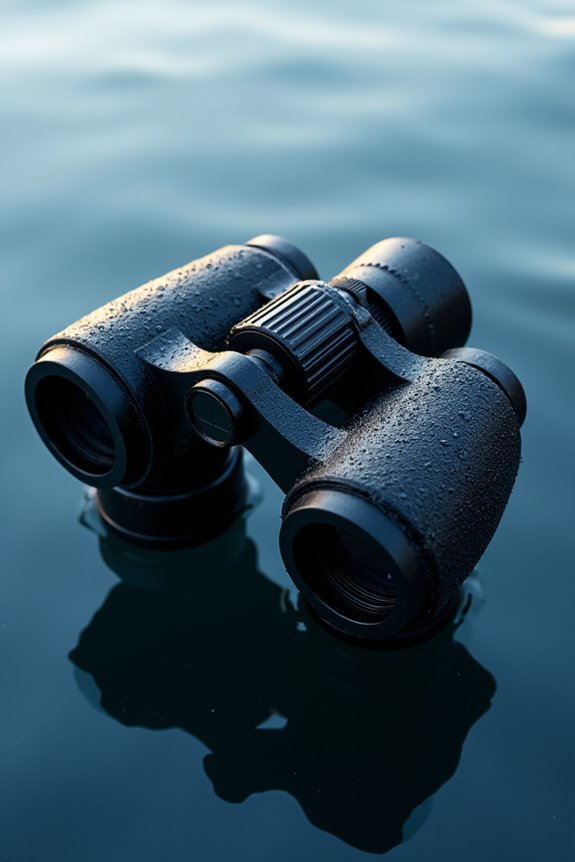
Since spotting every detail on the horizon is essential for safe navigation, finding the right balance between magnification and field of view (FOV) becomes a bit of a sweet spot challenge. We all want enough detail to see clearly, but too much magnification shrinks the FOV, making it tough to scan the horizon quickly. Those FOV trade offs mean a wider view helps track moving objects and keep our bearings, especially in rough seas. But pushing magnification beyond certain limits narrows that view and can leave us fumbling for targets. So, choosing moderate magnification with a comfortably wide FOV lets us navigate with confidence—like having a broader backstage pass rather than squinting through a keyhole. It’s about teamwork between clarity and awareness out there on the water.
Benefits of 7×50 Binoculars for Marine Use
When you’re out on the water, those trusty 7×50 binoculars really shine as a go-to choice for marine use. With 7x magnification and large 50mm lenses, they offer excellent optical clarity, making distant objects crisp and easy to spot. Plus, their low light performance? Spot on—those big lenses gather plenty of light at dawn or dusk, so you’re not left squinting at a blur. The moderate magnification also helps reduce image shake caused by boat movement, which means less frustration and more “Aha!” moments. Waterproof and fogproof designs guarantee these binoculars stand up to splashy adventures, while added perks like built-in compasses keep us on course. So, who wouldn’t want a pair that’s as practical as it is reliable on the water?

15x magnification & 56mm objective lenses, these Diamondback HD binos give western hunters the power they need to glass big game in big country. Recommended to be used with a tripod to avoid handshake; a tripod adaptor is included with this model.
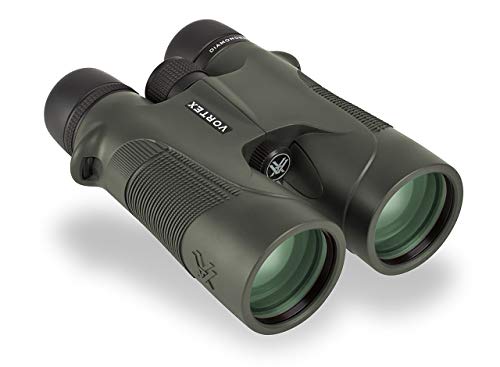
O-ring seals prevent moisture, dust and debris from penetrating the binocular for reliable waterproof performance in all environments while argon gas purging prevents internal fogging over a wide range of temperatures.

EXO Barrier Technology: The Engage X binoculars have Bushnell’s exclusive EXO Barrier - which is is a permanent coating on the exterior lens surfaces that repels water, oil, fog, dust and debris, making it so you'll always have a clear, vibrant image.
When to Consider Higher Magnification Levels
We’ve already seen how dependable 7×50 binoculars are out at sea, offering sharp images without making us seasick. But when do higher magnification levels really make sense? Well, for marine navigation, if we need to spot distant landmarks or vessels beyond the usual range, zooming in helps. Just remember, as magnification climbs, so does image shake—hello, wobbly hands and choppy waves! That’s where image stabilization comes in handy, smoothing out the view and keeping us steady. If we’re on calmer waters or using a tripod, bumping up magnification becomes more practical, too. Still, it’s a balancing act: higher zoom means narrower view and dimmer images unless the lens size grows to match. So, higher magnification is great, but only in the right conditions—and with some tech backing us up.

8x magnification & 42mm objective lenses, these Crossfire HD binos are optimized with select glass elements to deliver exceptional resolution, cut chromatic aberration and provide outstanding color fidelity, edge-to-edge sharpness and light transmission.
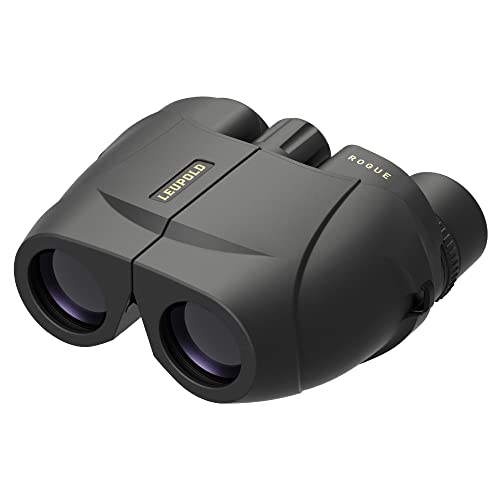
Model #59225 - BX-1 Rogue 10x25mm binoculars in Black

High-Definition Optics: Experience unparalleled clarity with Bushnell Prime 10x42 Blackout Camo Binoculars, featuring high-definition optics for sharp, detailed views.
Additional Features Enhancing Marine Binocular Performance
While you might think marine binoculars are just about magnification and waterproofing, there’s a whole suite of additional features that can seriously boost your experience on the water. For instance, built-in compasses offer impressive compass accuracy—some are even illuminated for night navigation, helping us keep a steady course when the stars hide behind clouds. Then there are rangefinder reticles, which, combined with objects of known height, give us useful distance estimates; add a laser rangefinder, and the rangefinder benefits really shine, helping to avoid hazards and plot precise routes. Plus, features like image stabilization and fully coated lenses make our views clearer and steadier, even on choppy seas. So, why settle for basic when these extras make every trip smarter and safer?
Choosing the Right Marine Binoculars for Your Needs
How do you pick the right marine binoculars when options range from modest 7x magnification models to high-tech stabilized beasts? First, let’s talk portability considerations—are you mostly storing them on your boat or carrying them kayaking? If the latter, weight factors become essential; lighter, ergonomic designs ease fatigue. For casual cruising, heavier, weatherproof options with larger lenses boost brightness and durability, perfect for low light conditions. Don’t forget, 7x magnification offers a stable, bright image with a wide field of view—a safe bet for most. Higher zooms mean you need stabilization, which adds bulk and complexity, sometimes more hassle than it’s worth. Ultimately, finding a balance between magnification, weight, and durability guarantees your binoculars fit your unique marine adventures. Ready to set sail with the right gear?

[BUSHNELL] is a leading Optics manufacturer based in the USA that has been serving the outdoor and wildlife enthusiast for more than 70 years.

MILITARY-GRADE MAKROLON HOUSING: Constructed from a lightweight, durable polycarbonate chassis that can withstand 11 Gs of impact. The NBR Long Life rubber armoring provides a non-slip, noise-dampening grip that is resistant to oil and harsh weather.

HIGH CONTRAST OPTICS - For bright, high-contrast images with true-to-life color reproduction, 7x magnification, 50 mm objective diameter, field of view at 1000YD - 356FT.
Frequently Asked Questions
How Do Waterproofing and Fog-Proofing Technologies Work in Marine Binoculars?
We use waterproof materials like O-ring seals and corrosion-resistant coatings alongside fog proof technologies, such as nitrogen purging, to guarantee our marine binoculars stay clear and durable, so we all feel confident exploring together.
What Maintenance Is Required to Keep Marine Binoculars in Optimal Condition?
Let’s keep our marine binoculars sharp by regular lens cleaning with proper solutions and storing them in low-humidity, dust-free places. Following these storage tips boosts longevity and guarantees we all enjoy clear, crisp views together.
Can Marine Binoculars With Compasses Substitute for Electronic Navigation Tools?
We can’t fully rely on marine binoculars with compasses as substitutes for digital navigation alternatives. While compass accuracy comparison shows they’re precise, they lack automation and real-time updates, so let’s use them to complement, not replace, our electronic tools.
How Does Age Affect Choosing the Right Exit Pupil Size for Marine Use?
We might think bigger exit pupils always mean better brightness, but age considerations reshape that. As our pupils shrink over time, choosing marine binoculars with exit pupils matching our eye’s capacity truly enhances clarity and comfort out on the water.
Are Image Stabilization Features Worth the Extra Cost on Marine Binoculars?
We believe that image stabilization can definitely justify the cost for many of us, especially when clarity on moving boats matters most. It reduces shake and eye strain, making our marine adventures sharper and more enjoyable together.